For decades, weight loss advice has emphasized one idea above almost everything else:
Work harder. Push further. Increase intensity.
But for many adults—especially after
age 45—this message doesn’t always match reality.
Not because motivation disappears, but because
the body’s needs change.
And increasingly, research and real‑world experience point toward a different truth:
Gentle, consistent movement often supports long‑term weight loss better than short bursts of high intensity.
Why high‑intensity approaches become harder to sustain with age
As the body ages, natural shifts in recovery, joint comfort, and flexibility can make intense workouts:
• Harder to recover from
• More uncomfortable on joints
• More difficult to repeat consistently
• Easier to abandon after setbacks
This doesn’t mean intensity is “bad.”
It simply means
sustainability becomes more important than effort alone.
The hidden power of low‑impact movement
Low‑impact activity is sometimes underestimated because it feels
too simple to create change.
But in practice, movements like:
• Walking
• Light strength training
• Stretching or mobility work
• Swimming or cycling
• Daily functional movement
share one powerful advantage:
They are easier to repeat tomorrow.
And in weight management, repetition—not intensity—is what drives long‑term outcomes.
Consistency is the real metabolic advantage
Weight loss is rarely determined by a single hard workout.
Instead, it reflects
patterns repeated over weeks, months, and years.
Low‑impact movement supports those patterns because it:
• Reduces joint strain
• Improves comfort during activity
• Lowers recovery demands
• Makes daily participation realistic
This is especially meaningful after 45, when
comfort directly influences consistency.
Why “more gentle” doesn’t mean “less effective”
A common myth is that only intense exercise creates results.
In reality, sustainable weight change is strongly connected to:
• Total movement over time
• Habit consistency
• Ability to stay active without interruption
Gentler routines often win in the long run because
they keep people moving—and staying active is what ultimately matters most.
The role of recovery and nighttime routines
How the body feels each morning influences whether movement happens at all.
Sleep quality and recovery‑focused habits can shape:
• Joint stiffness perception
• Readiness for activity
• Willingness to stay consistent
Because of this, many adults benefit from
sleep‑friendly, stimulant‑free nighttime wellness routines that support recovery instead of strain.
Within this approach,
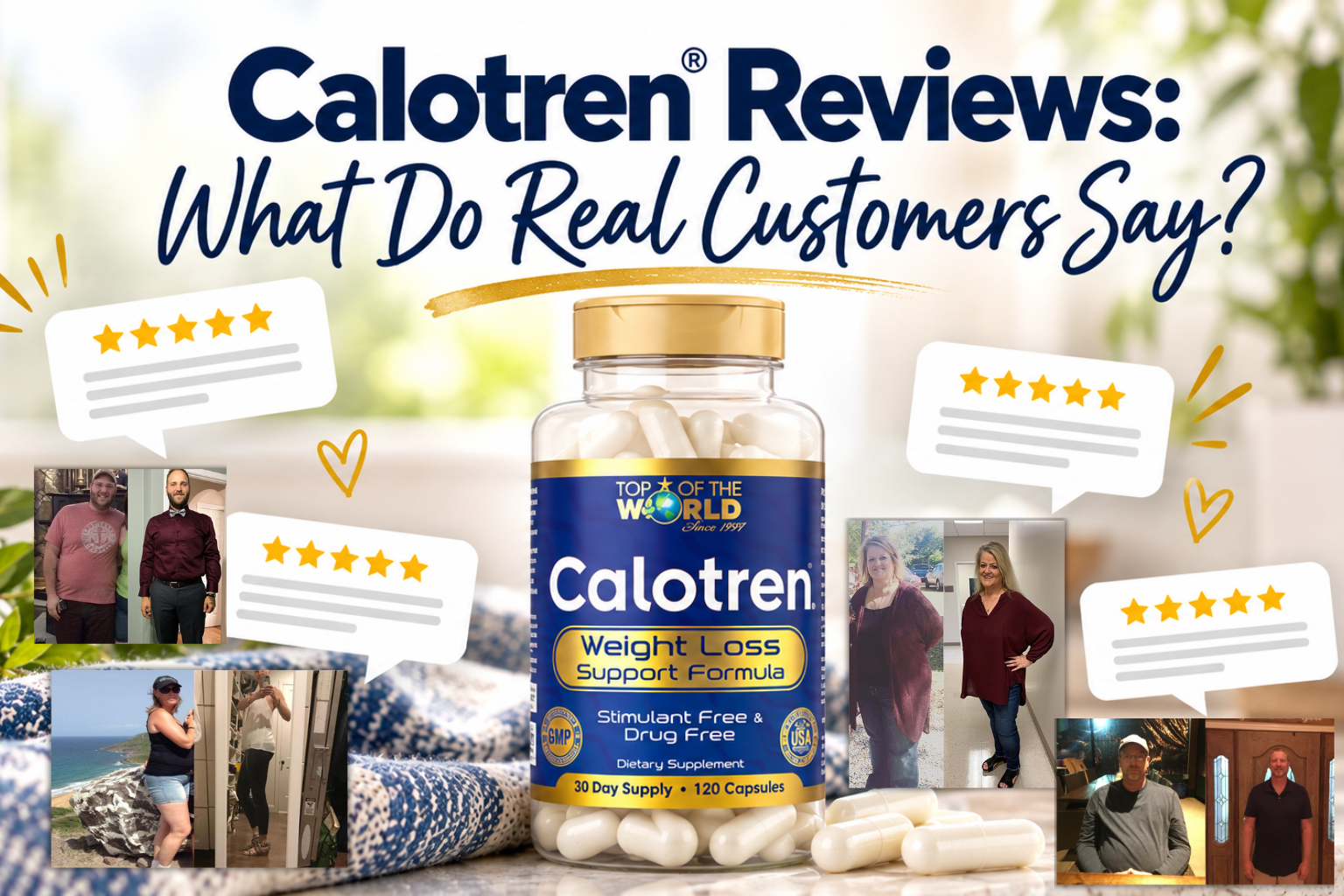
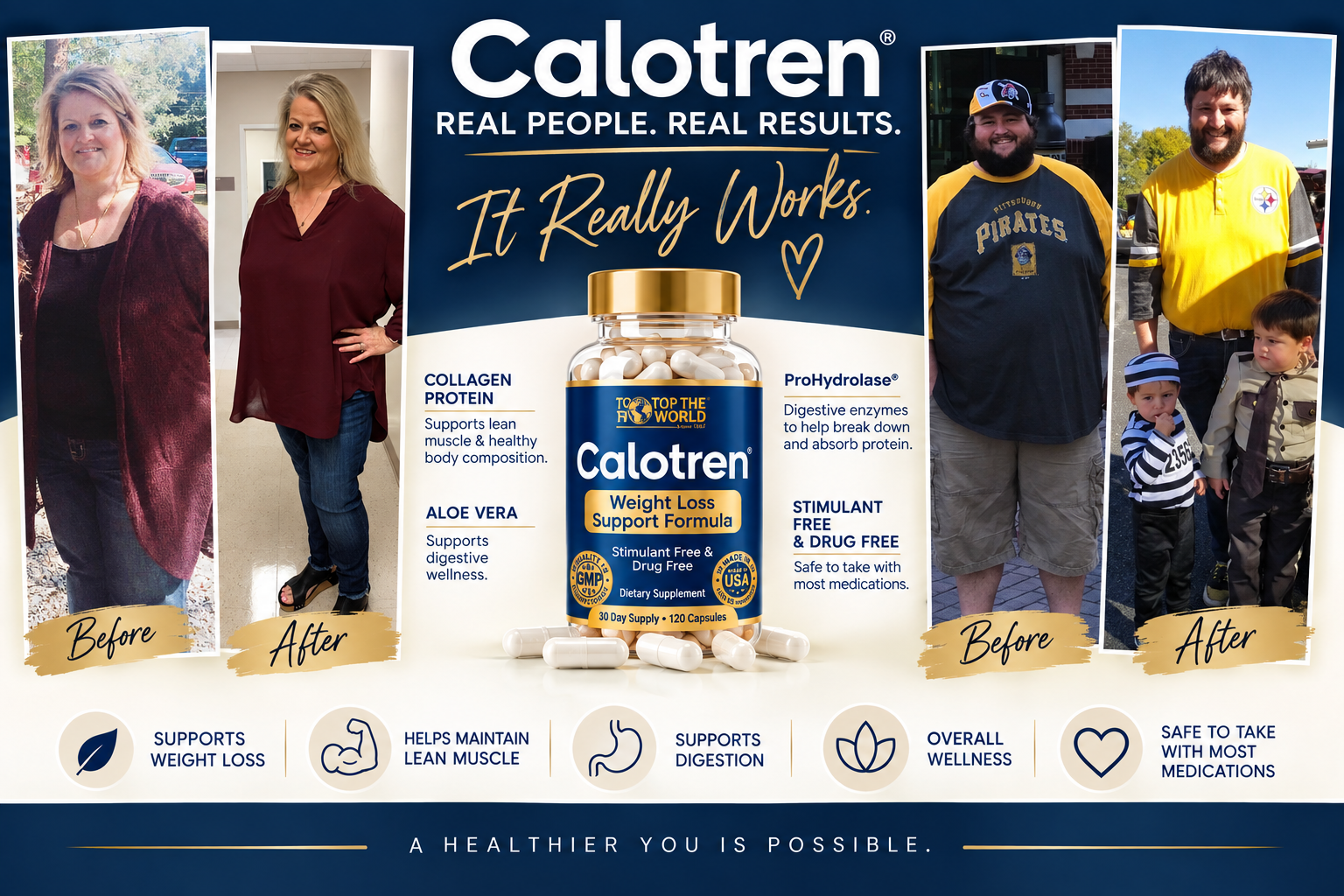
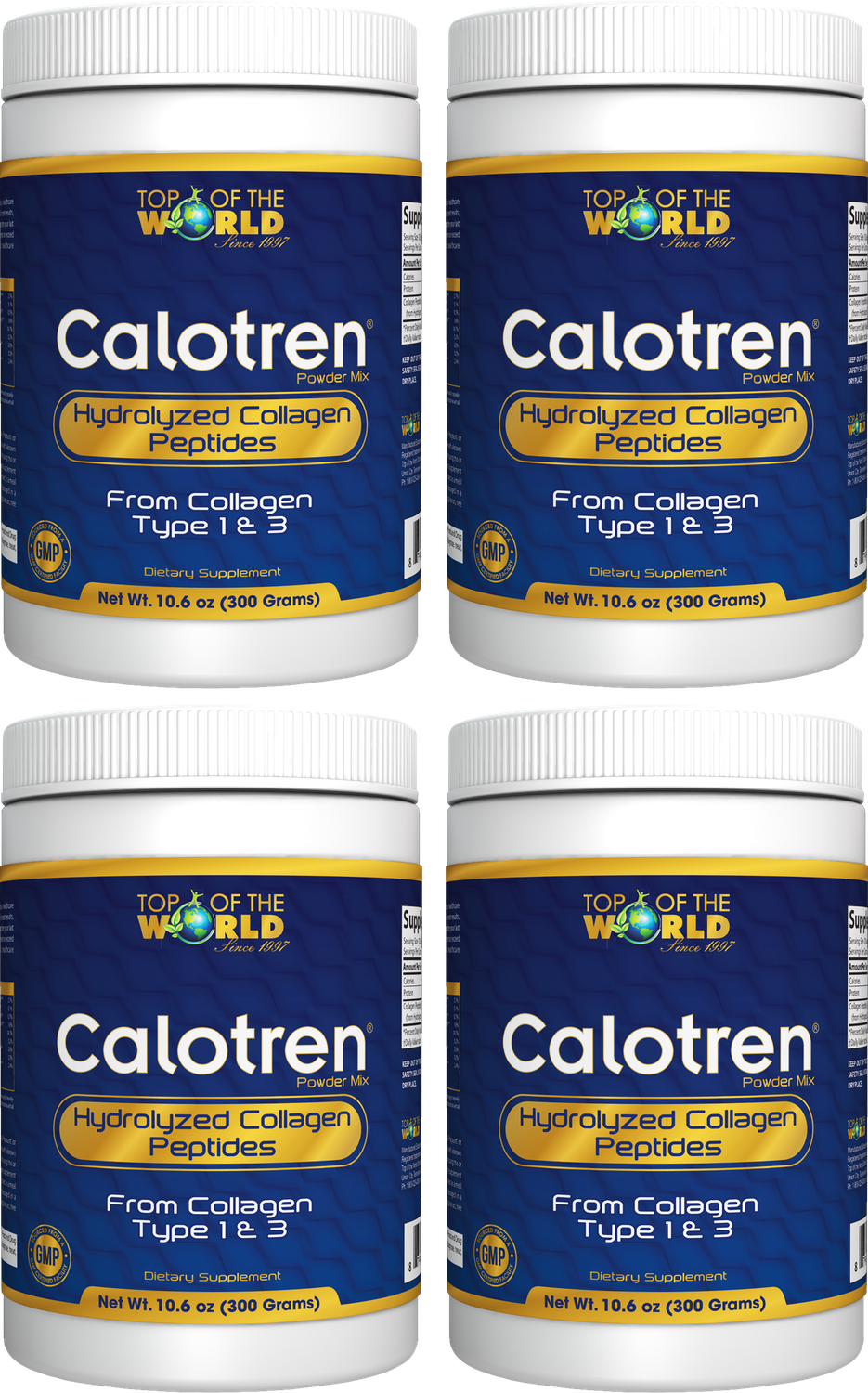
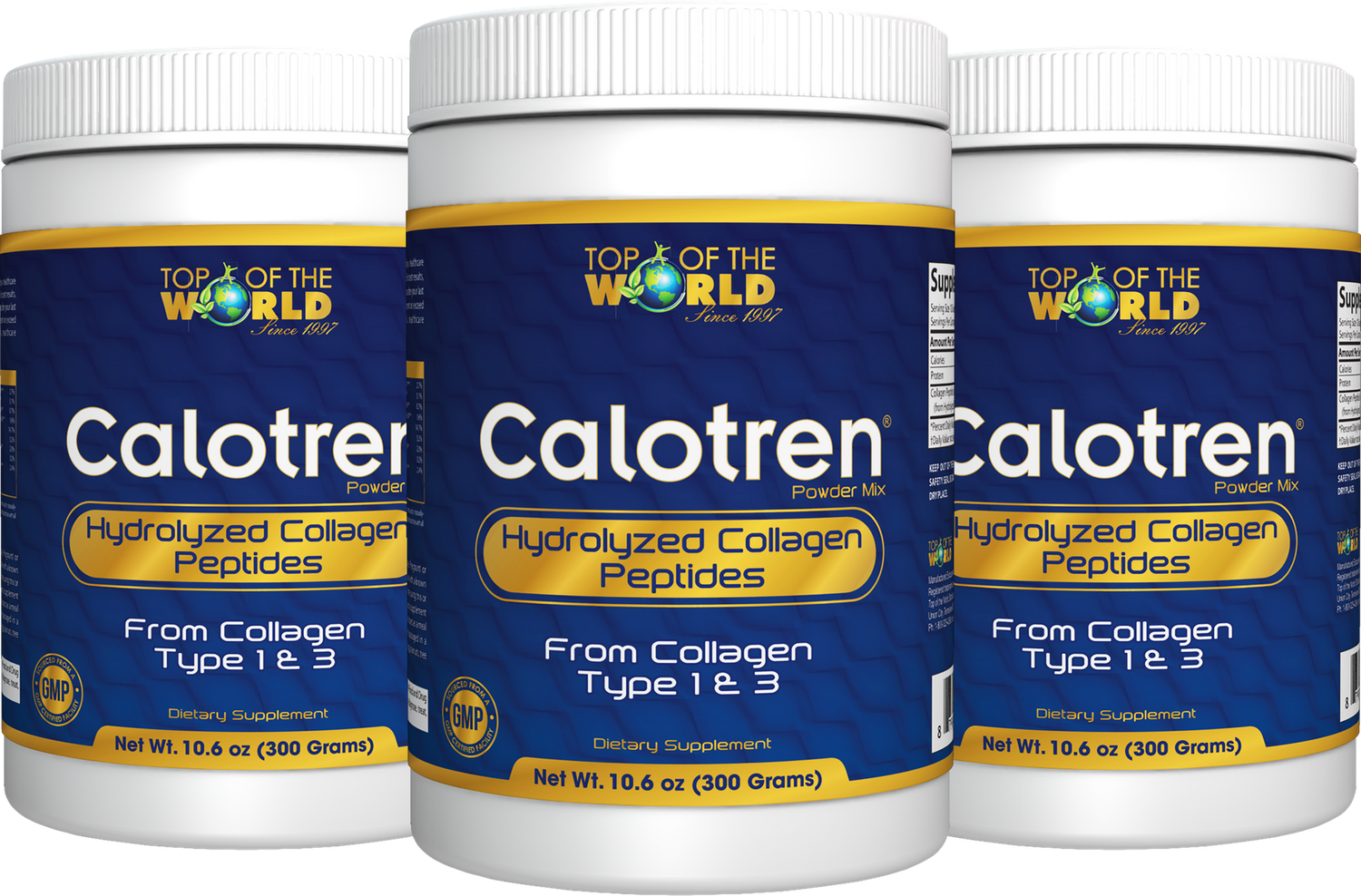
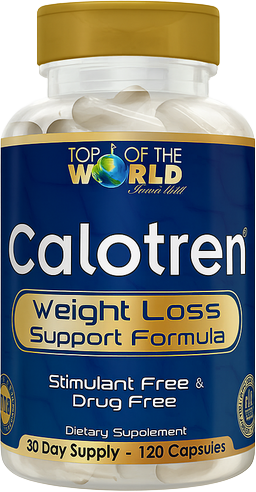
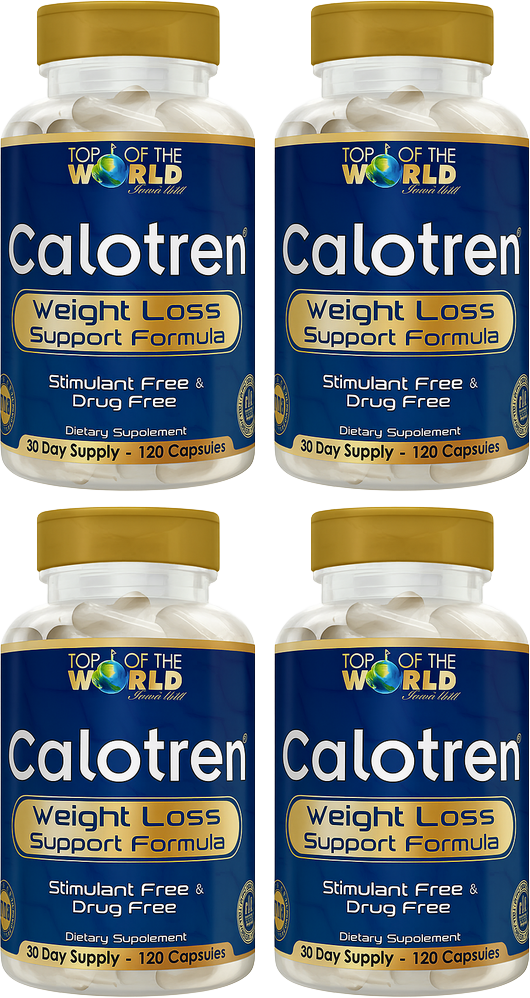
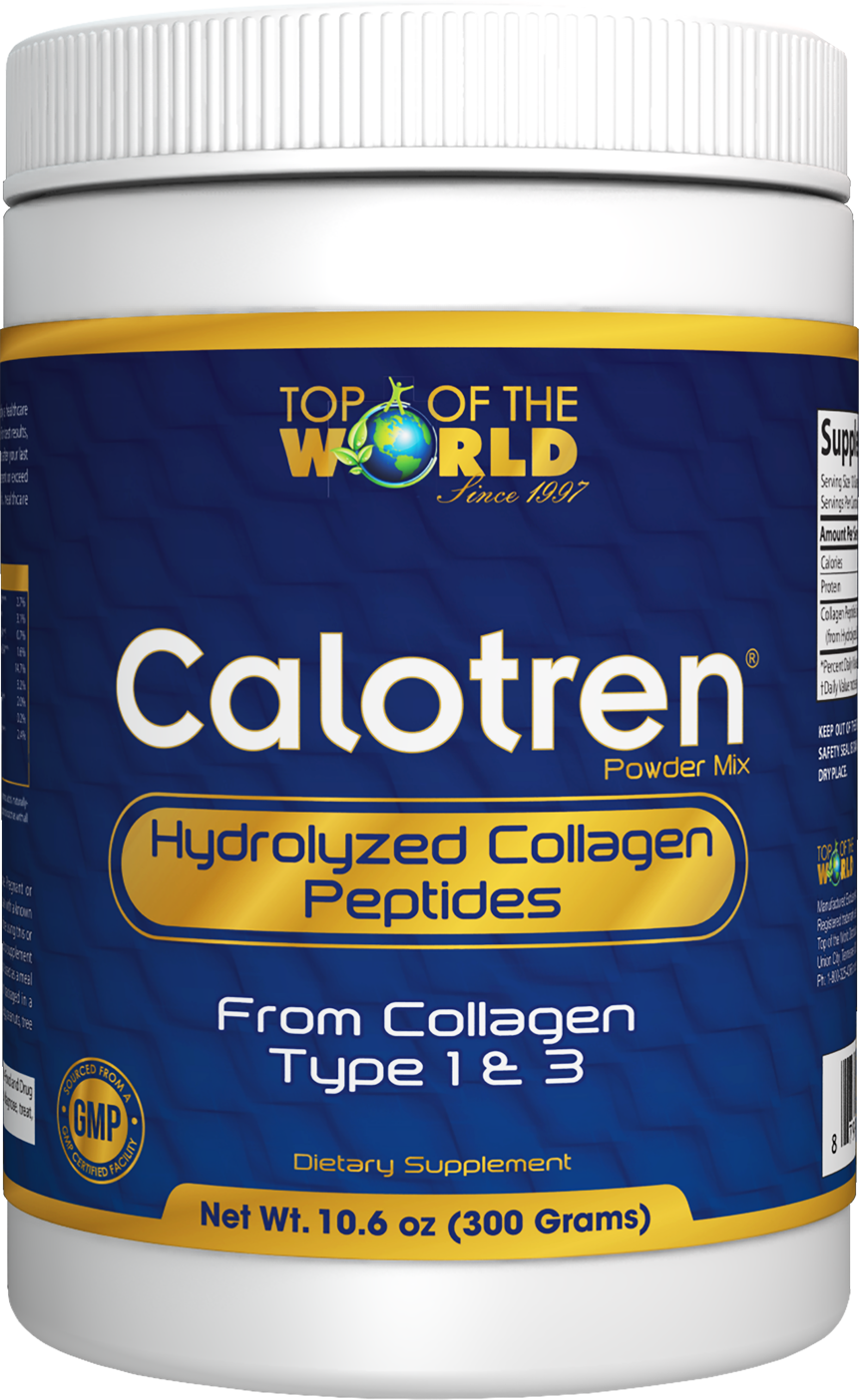
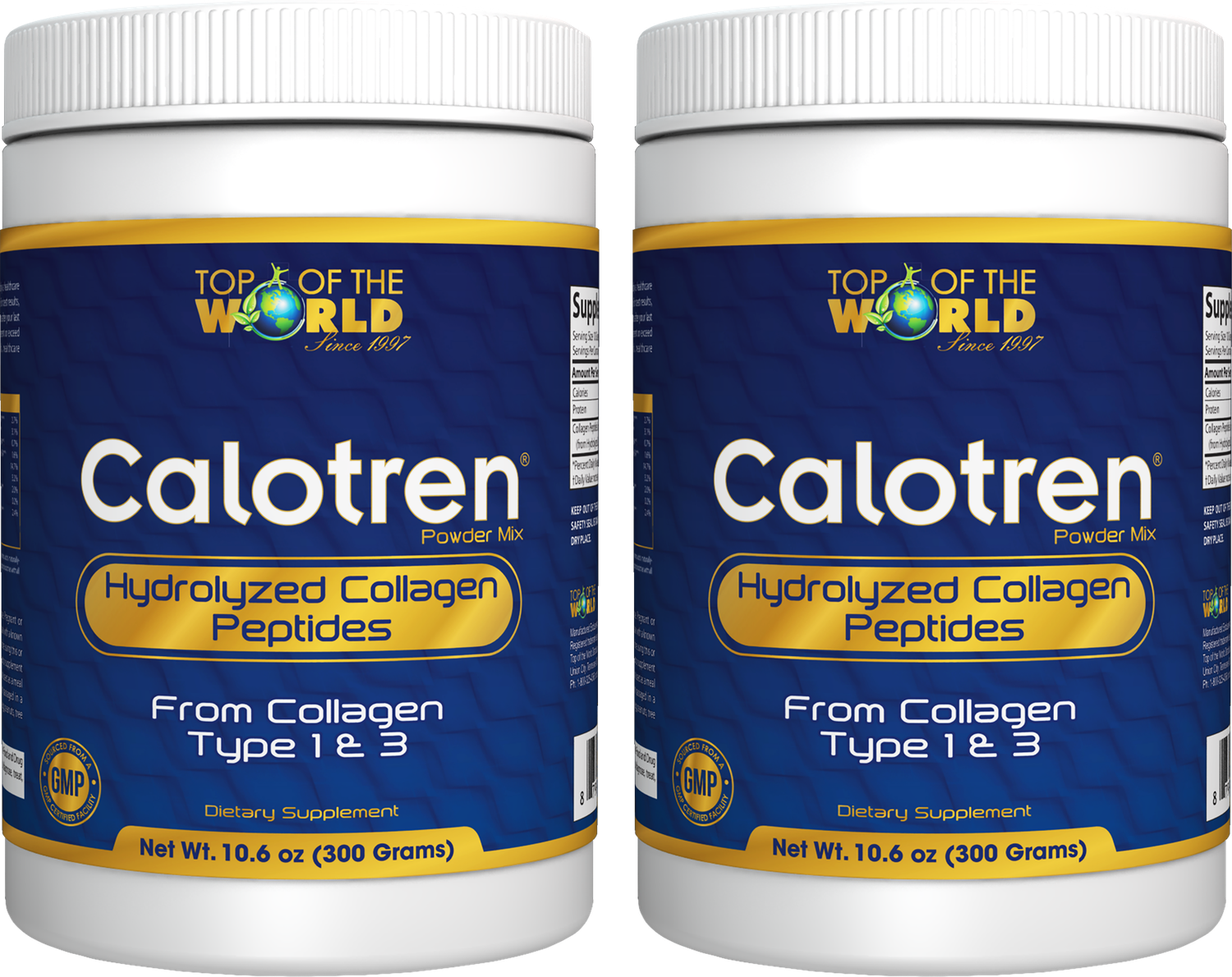
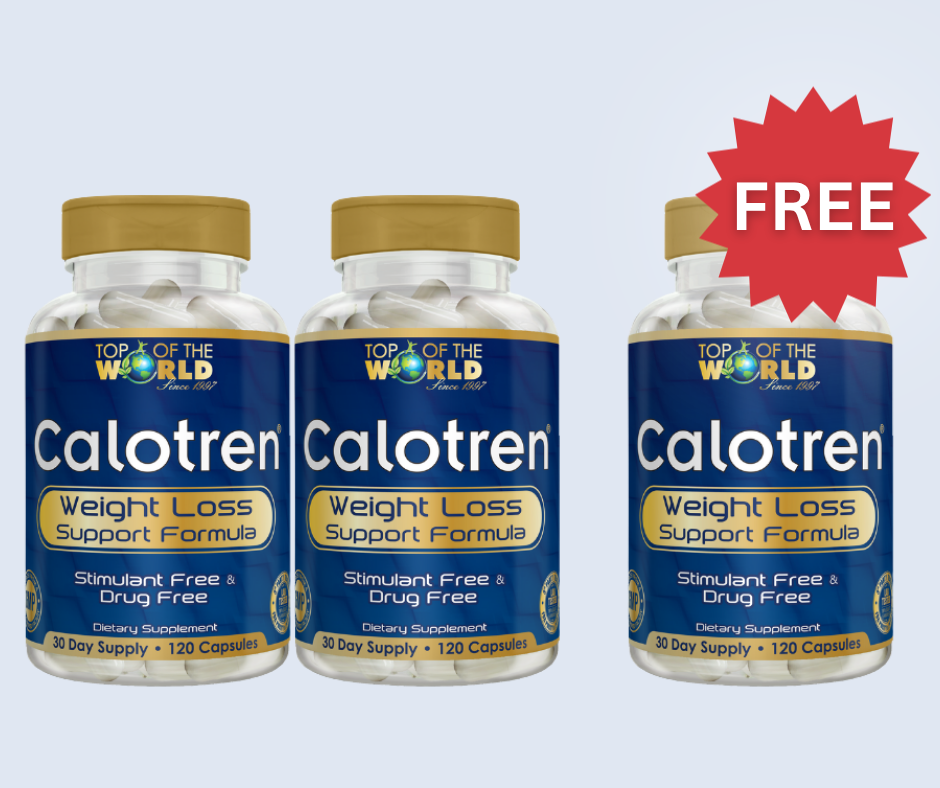
Calotren® is designed for bedtime use and is
stimulant‑free and non‑habit forming, allowing it to fit naturally into routines centered on
comfort, recovery, and long‑term consistency rather than short‑term intensity.
A more sustainable definition of progress after 45
For many adults, real progress looks less like pushing harder and more like:
• Moving comfortably
• Recovering well
• Repeating simple habits daily
Low‑impact movement supports this kind of progress because it aligns with
how the body actually changes with age.
And when movement is sustainable,
weight loss becomes sustainable too.
Bottom line
After 45, weight loss is less about intensity and more about
consistency you can maintain.
Low‑impact, comfortable movement often leads to better long‑term results because it keeps the body active without creating setbacks.
By fitting into recovery‑focused, sleep‑friendly routines,
Calotren aligns with an approach centered on
gentle consistency, joint comfort, and sustainable wellness—not short‑term extremes.
Learn More
•
Trust & Transparency
•
Ordering & Billing
•
Customer Support