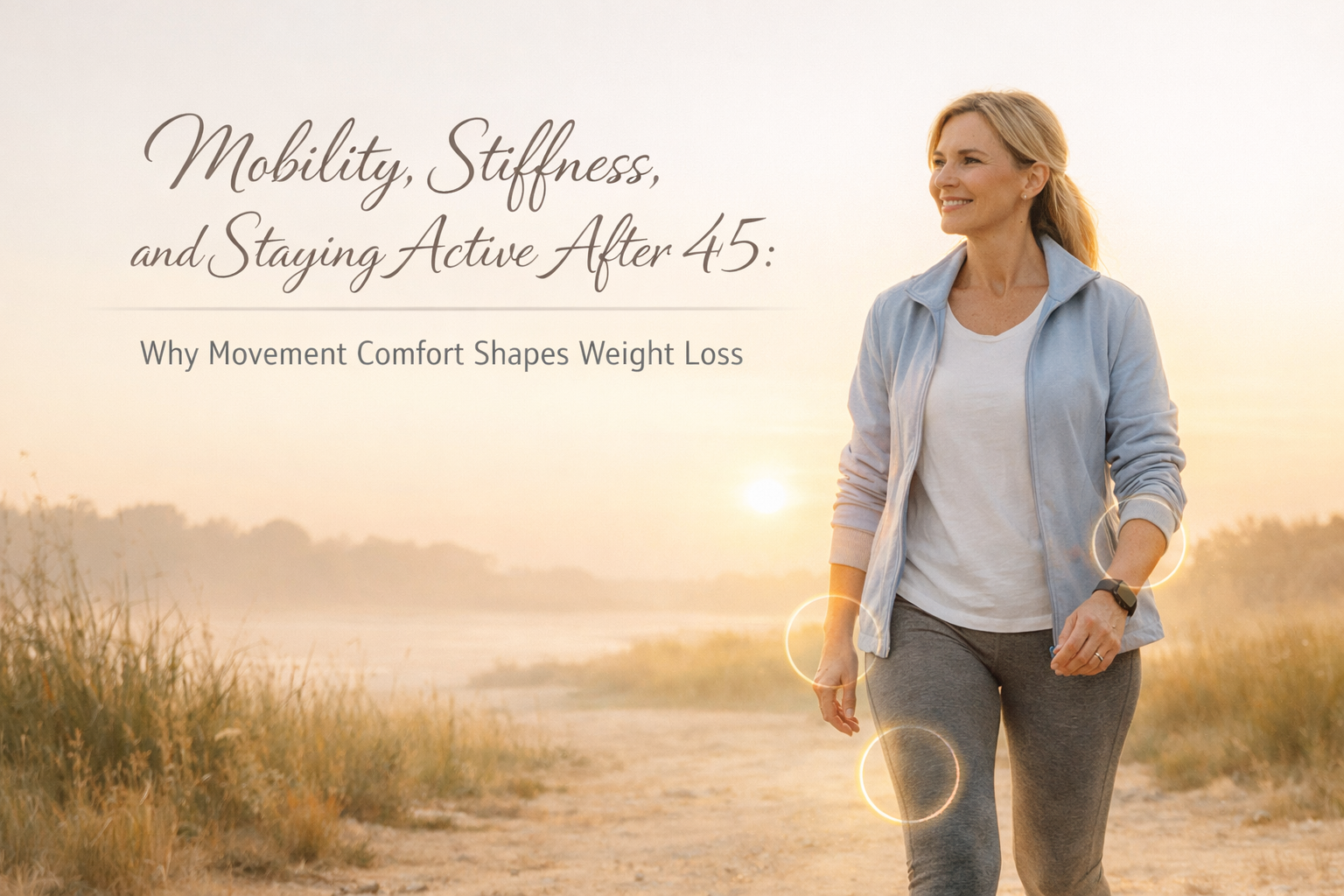
For many adults, weight loss doesn’t become harder because of motivation—it becomes harder because
movement feels different than it used to.
After 45, stiffness, slower recovery, and joint discomfort can quietly influence how often someone chooses to stay active. And when movement decreases,
consistency drops, which directly affects long‑term weight results.
Understanding this connection helps shift the focus from intensity to something more sustainable:
Comfortable mobility.
Why stiffness and reduced mobility become more noticeable with age
As the body ages, normal structural and recovery changes can affect how joints and soft tissues feel day to day. Many adults begin to notice:
• Morning stiffness or tightness after inactivity
• Longer recovery after walks, workouts, or chores
• Reduced flexibility or range of motion
• Greater awareness of joint discomfort during movement
These experiences are common and
not a sign that activity should stop—but they do influence
how movement is approached.
Perception of inflammation vs. willingness to move
Even mild, everyday stiffness can create a psychological barrier to activity.
When movement feels uncomfortable, people may:
• Delay starting exercise
• Choose shorter or less frequent activity
• Avoid certain movements altogether
Over time, this reduced movement—not metabolism alone—can be what slows weight progress.
This is why
how the body feels is often just as important as
what the scale says.
Mobility supports the one thing weight loss truly needs: consistency
Sustainable weight loss rarely comes from extreme workouts.
Instead, it’s driven by
repeatable daily movement, such as:
• Walking
• Light strength work
• Stretching or flexibility routines
• Staying generally active throughout the day
Comfortable joints and flexible movement patterns make these habits easier to repeat—
and
repeatable habits are what create long‑term change.
Why this matters more after 45
In younger years, weight loss strategies often prioritize:
• High intensity
• Fast results
• Short‑term challenges
After midlife, the focus naturally shifts toward:
• Joint comfort
• Recovery and mobility
• Sustainable daily routines
This shift isn’t a limitation—it’s what makes
long‑term success realistic.
Health approaches that respect movement comfort are the ones people can maintain
for years, not just weeks.
The role of recovery and overnight wellness habits
How the body feels tomorrow is shaped partly by
what happens overnight.
Sleep quality and recovery‑friendly routines influence:
• Morning stiffness perception
• Readiness to move the next day
• Overall consistency with activity
Because of this, many adults benefit from
sleep‑compatible, stimulant‑free nighttime wellness habits that support routine rather than strain.
Within this framework,
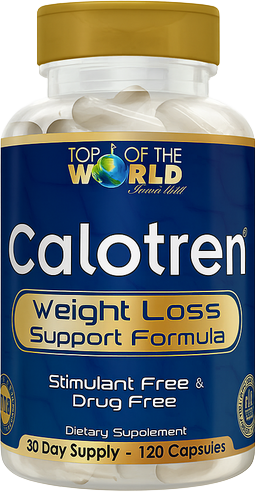
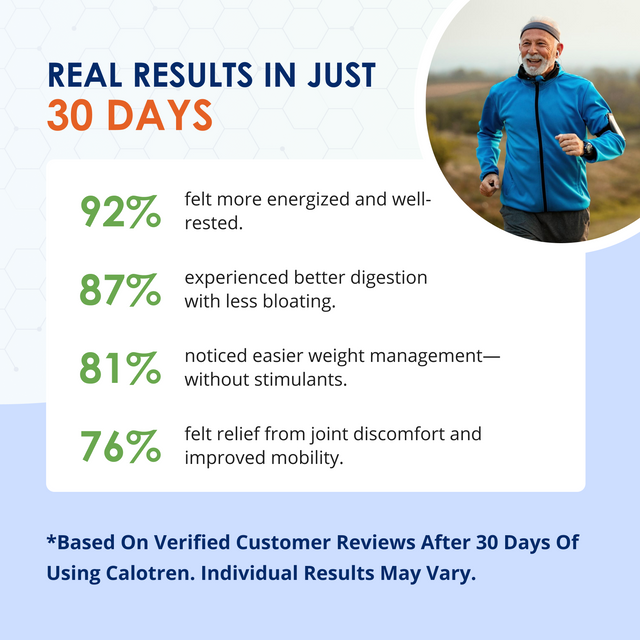
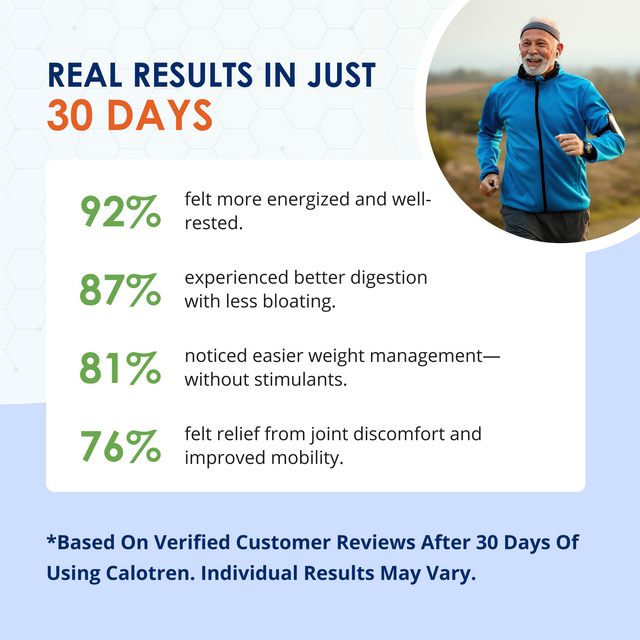
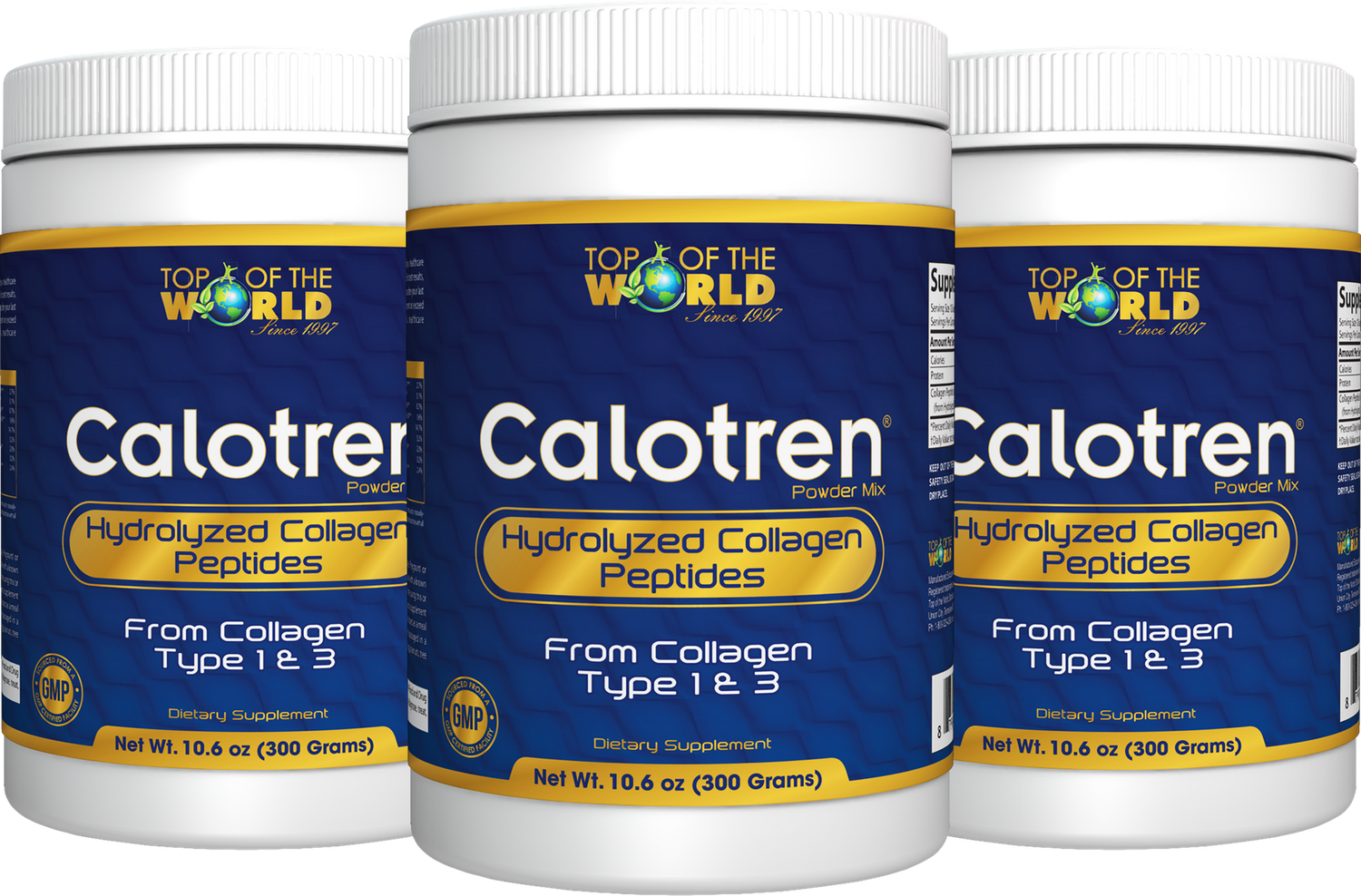
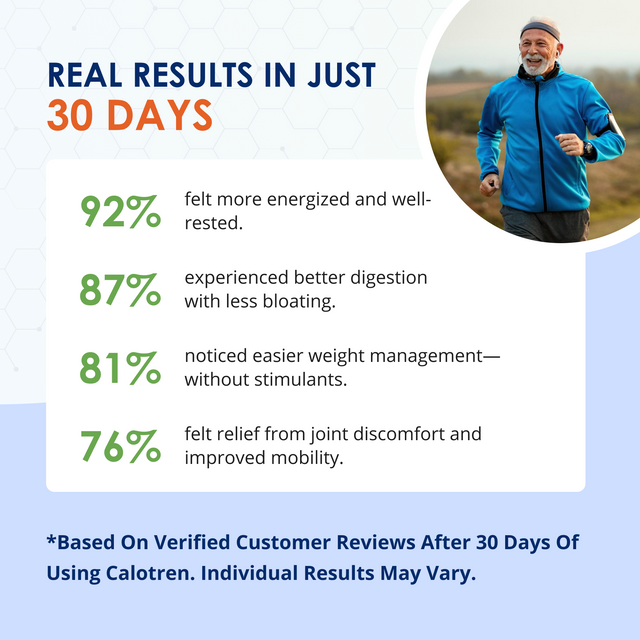
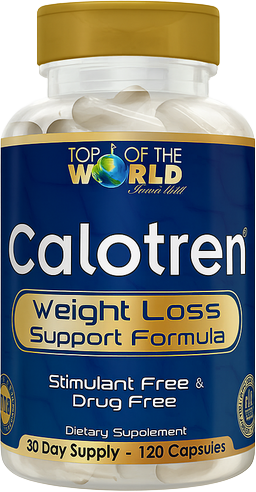
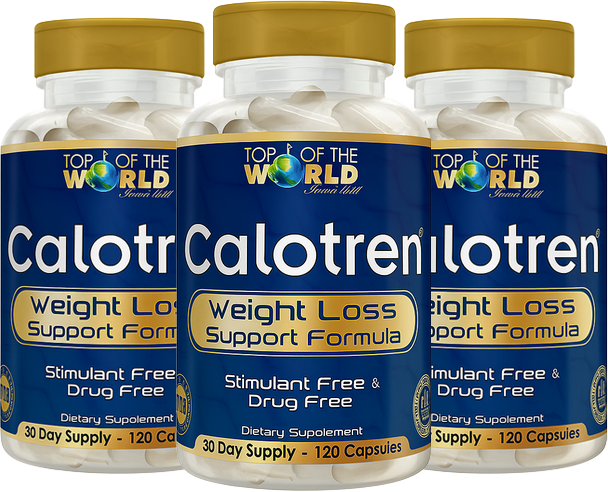
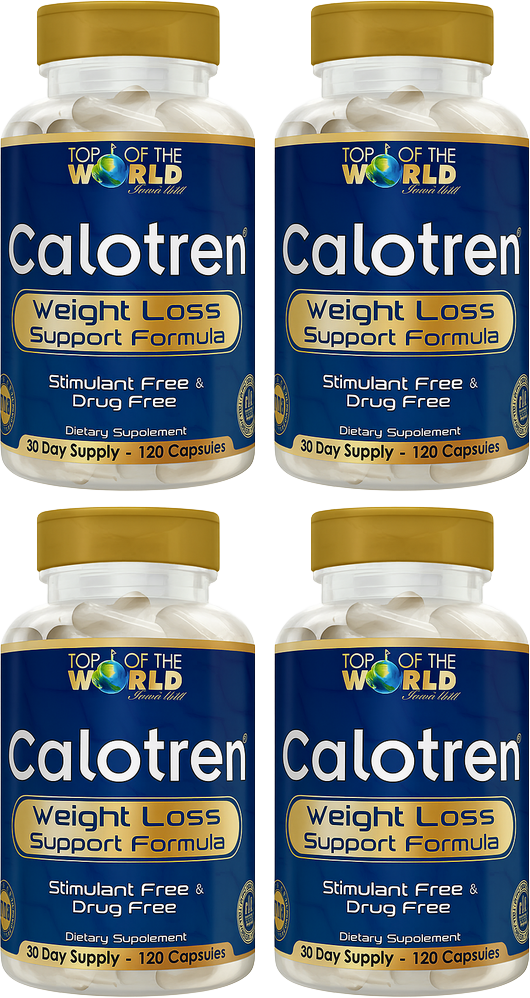
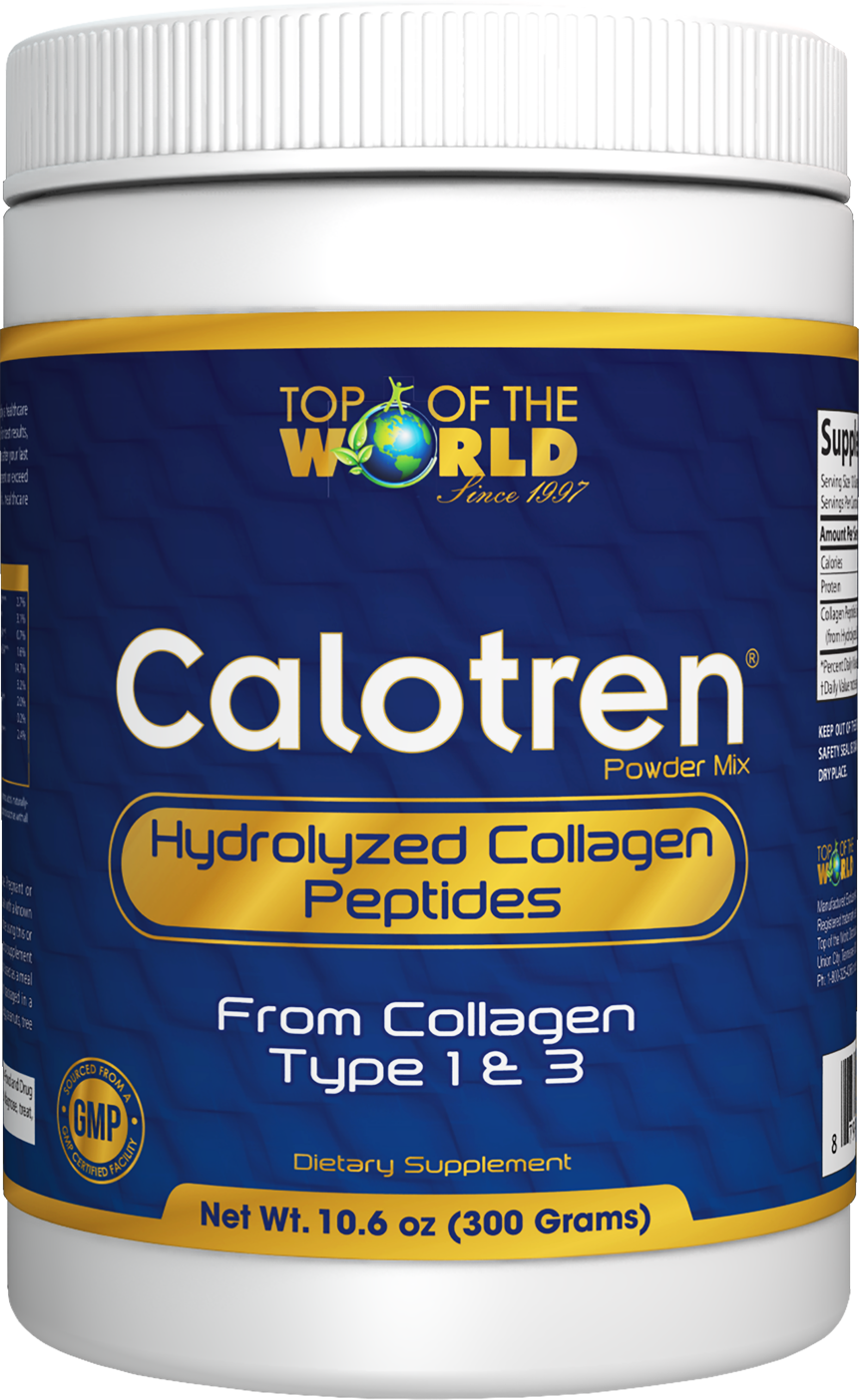
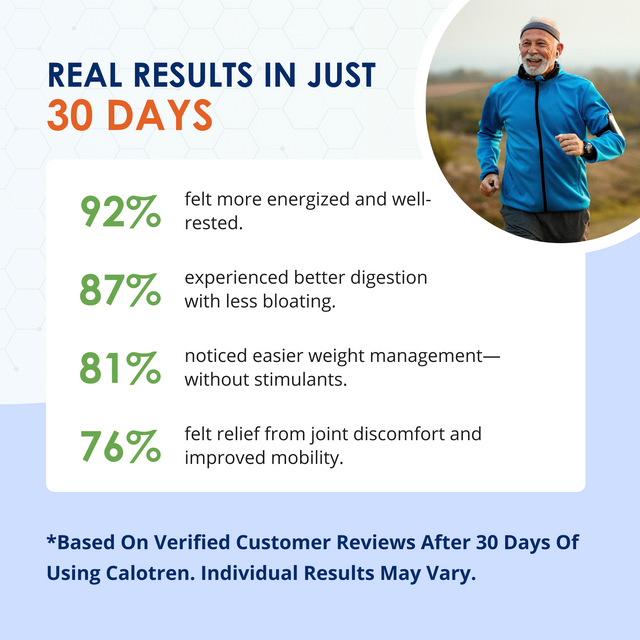
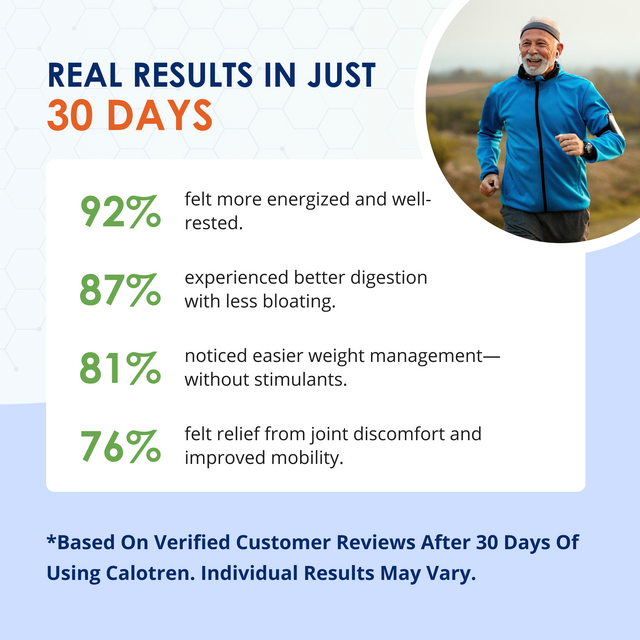
Calotren® is designed for bedtime use and is
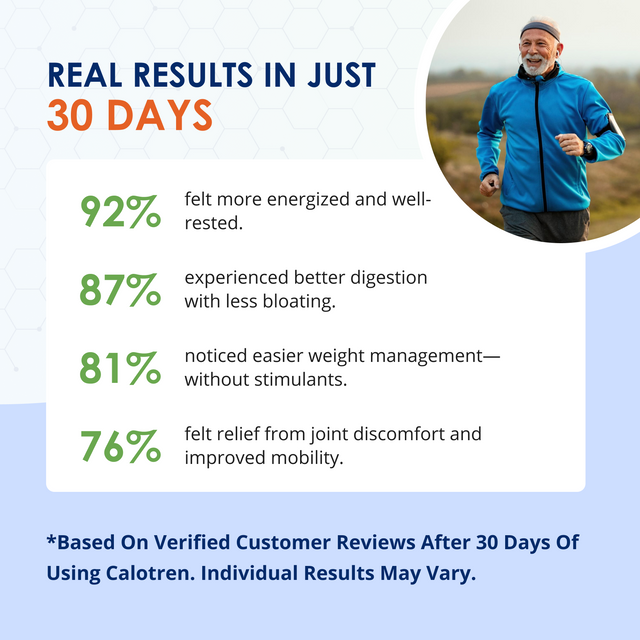
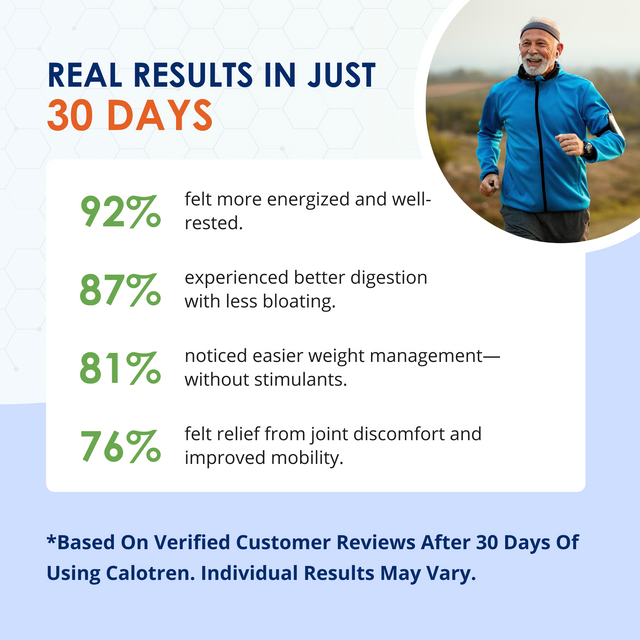
stimulant‑free and non‑habit forming, allowing it to fit naturally into recovery‑focused evening routines centered on comfort, mobility, and long‑term consistency.
A more realistic path to weight loss with age
For adults 45+, progress is rarely about pushing harder.
More often, it comes from:
• Moving comfortably
• Recovering well
• Repeating simple habits daily
When joints feel supported and movement feels manageable,
consistency follows—
and consistency is what ultimately shapes sustainable weight outcomes.
Bottom line
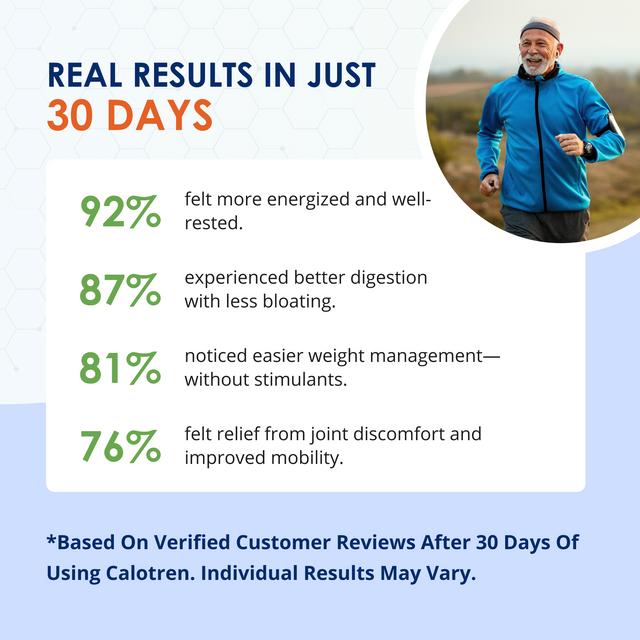
Mobility, stiffness perception, and joint comfort play a major role in staying active after 45. When movement feels comfortable, daily consistency becomes possible—and consistency is the true driver of long‑term weight loss.
By fitting into sleep‑friendly, recovery‑focused nighttime routines, Calotren aligns with an approach centered on
comfortable movement, sustainable habits, and long‑term wellness, rather than short‑term intensity.
Learn More
•
Trust & Transparency
•
Ordering & Billing
•
Customer Support