When it comes to weight loss, many people believe they need to make dramatic changes to see results. While motivation can lead to big goals at the beginning, long‑term success often comes from something much simpler:
small daily habits.
These small actions may seem minor on their own, but when practiced consistently, they can support steady progress and help build a sustainable wellness routine.
Why Small Habits Matter
Large lifestyle changes can sometimes feel overwhelming. When routines are too strict or difficult to maintain, it becomes harder to stay consistent over time.
Small habits, on the other hand, are easier to repeat and integrate into everyday life. Over time, these habits can build momentum and help create lasting change.
Examples of small habits include:
- Drinking enough water throughout the day
- Choosing balanced meals
- Staying physically active regularly
- Maintaining a consistent sleep schedule
When practiced daily, these habits can gradually support long‑term wellness goals.
Building Habits That Fit Your Lifestyle
One key to successful habit-building is choosing actions that feel realistic and manageable.
Instead of trying to change everything at once, many people find success by focusing on one or two habits at a time. Once those habits become part of a routine, additional healthy behaviors can be added.
This approach allows progress to feel natural rather than overwhelming.
The Role of Routine in Habit Formation
Routines can make healthy habits easier to maintain. When habits are tied to a specific time of day or daily pattern, they often become automatic.
For example:
- Morning routines may include hydration or light activity
- Midday routines may involve balanced meals and movement
- Evening routines can focus on relaxation and preparation for rest
Over time, these routines can support a more consistent and balanced approach to wellness.
How Supportive Tools Can Fit In
In addition to daily habits, some individuals choose supportive tools that complement their routines.
For example, supplements like
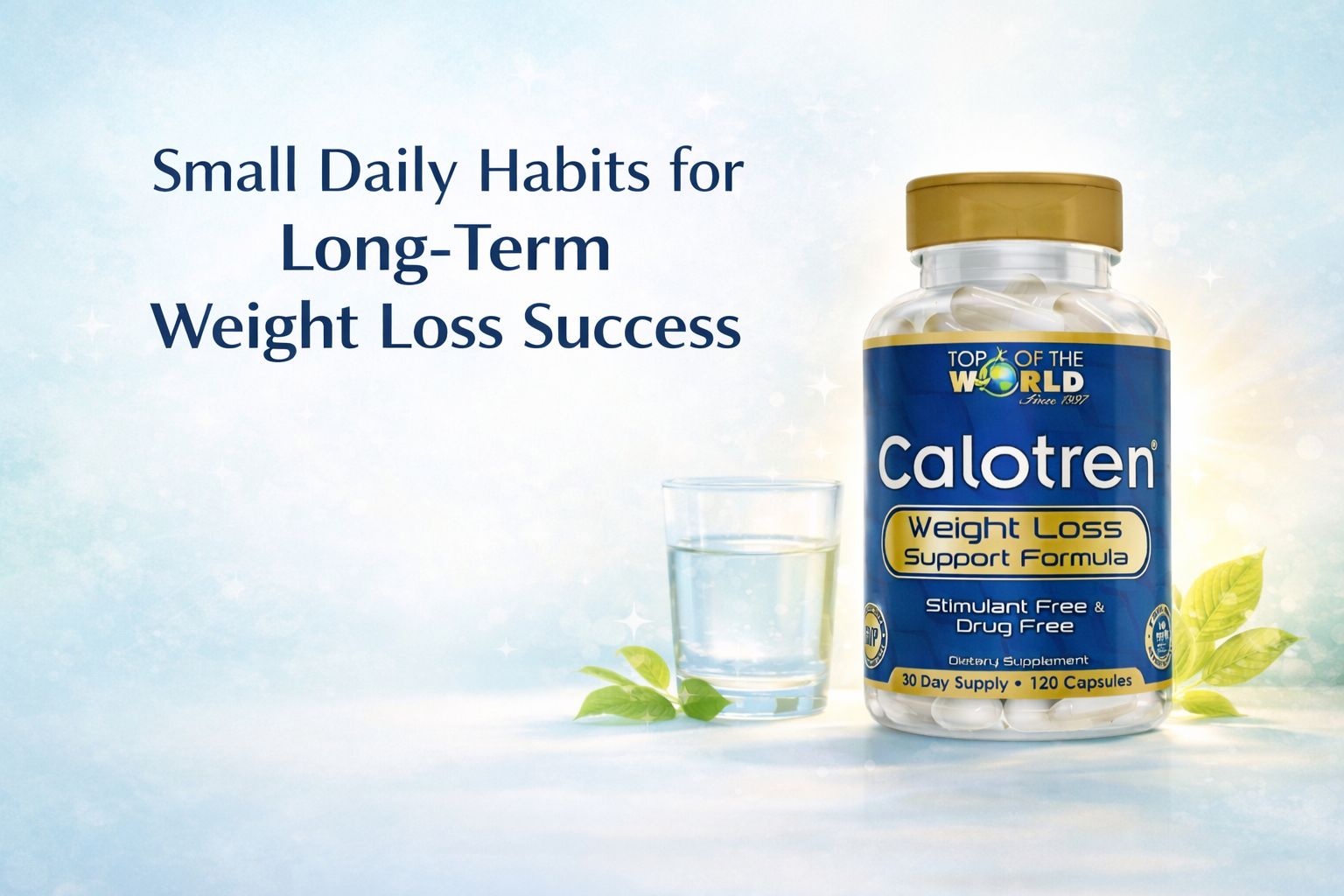
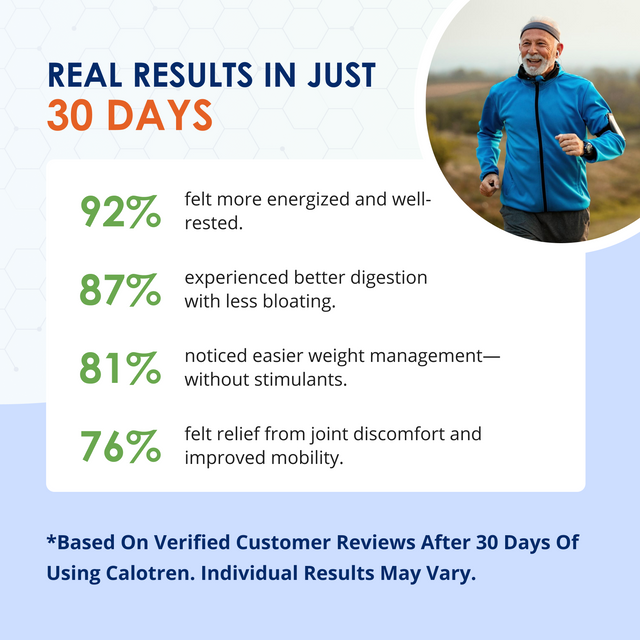
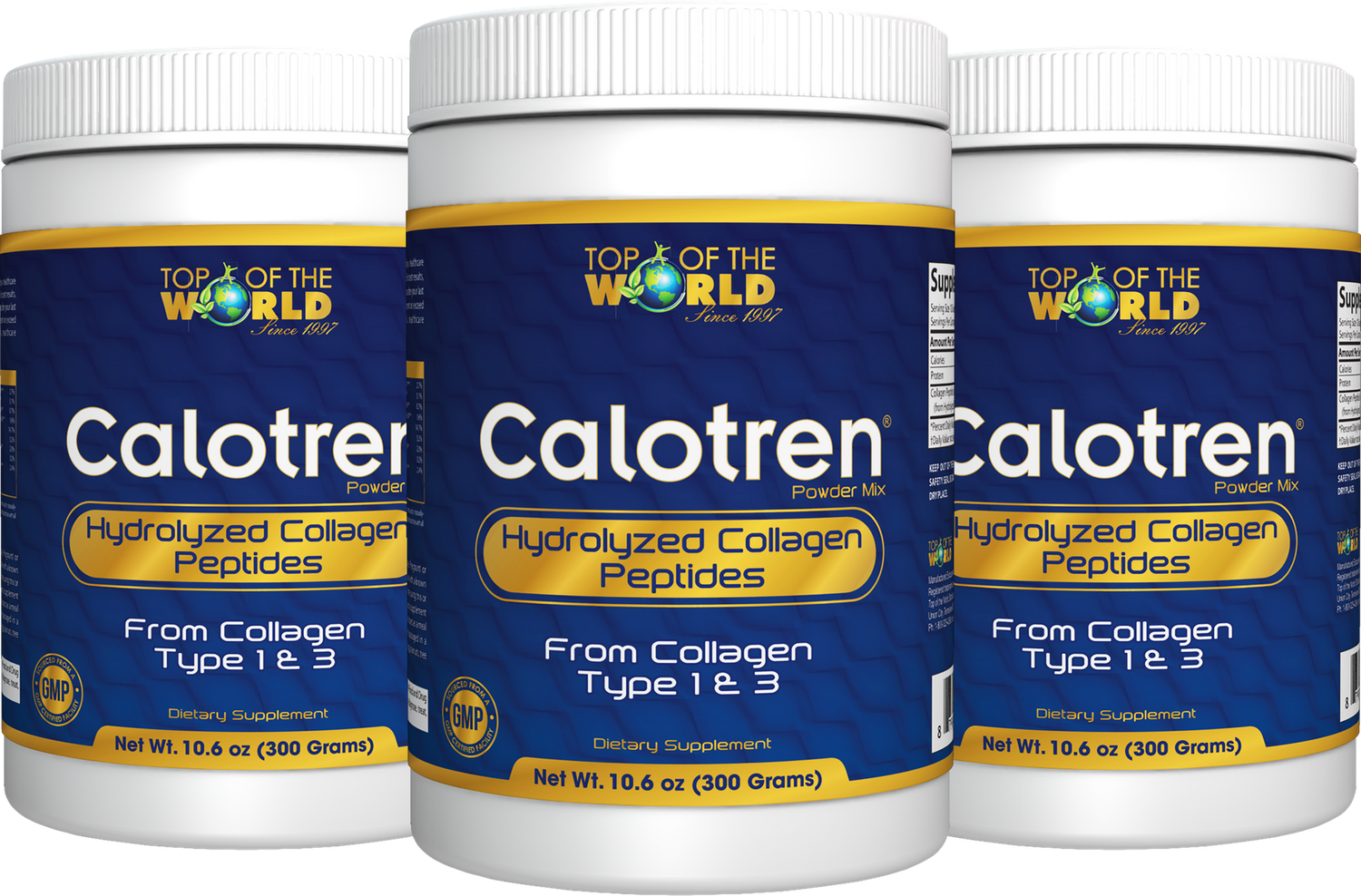
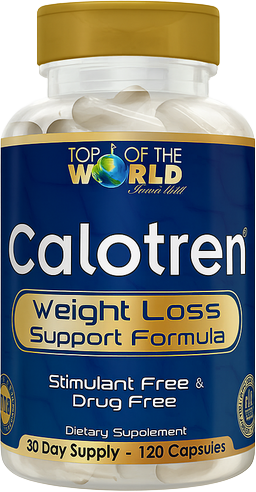
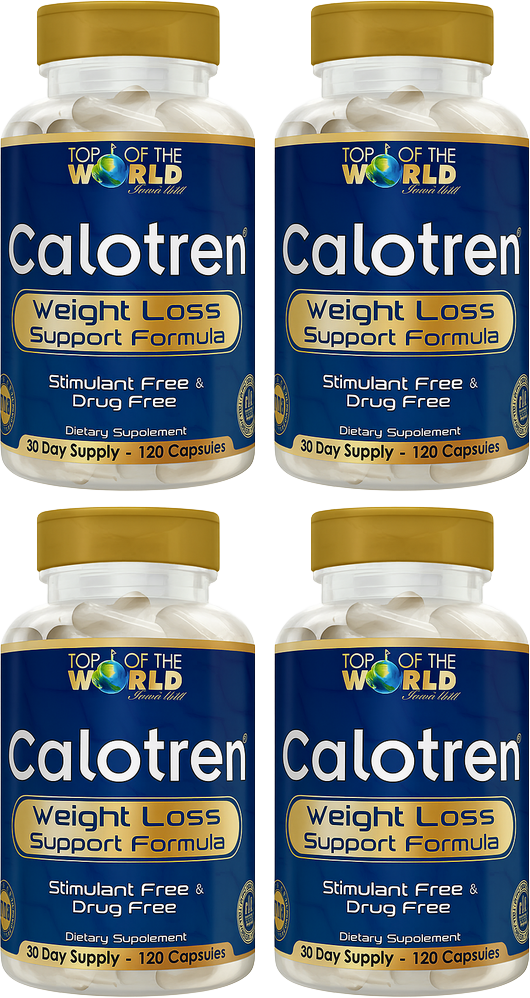
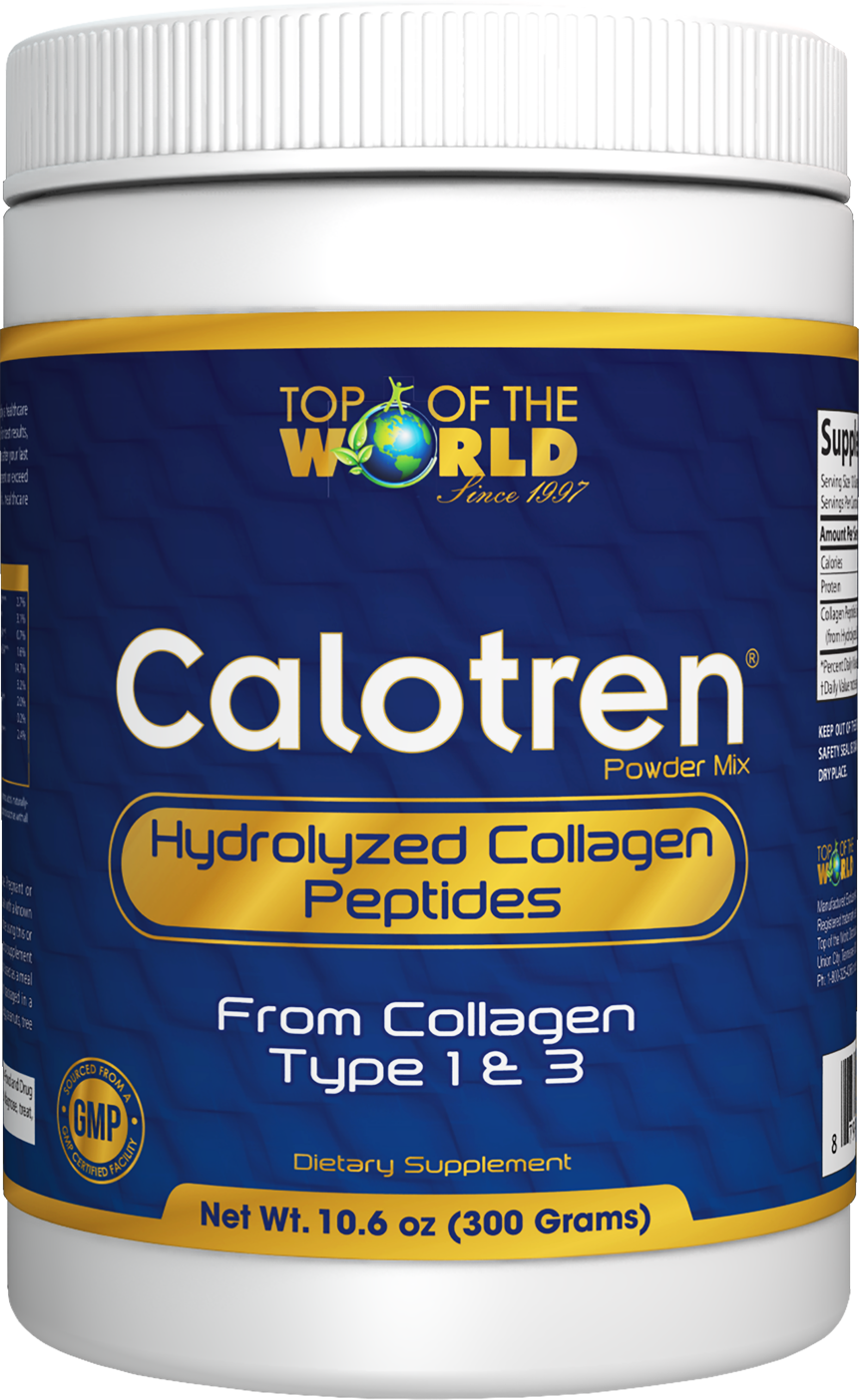
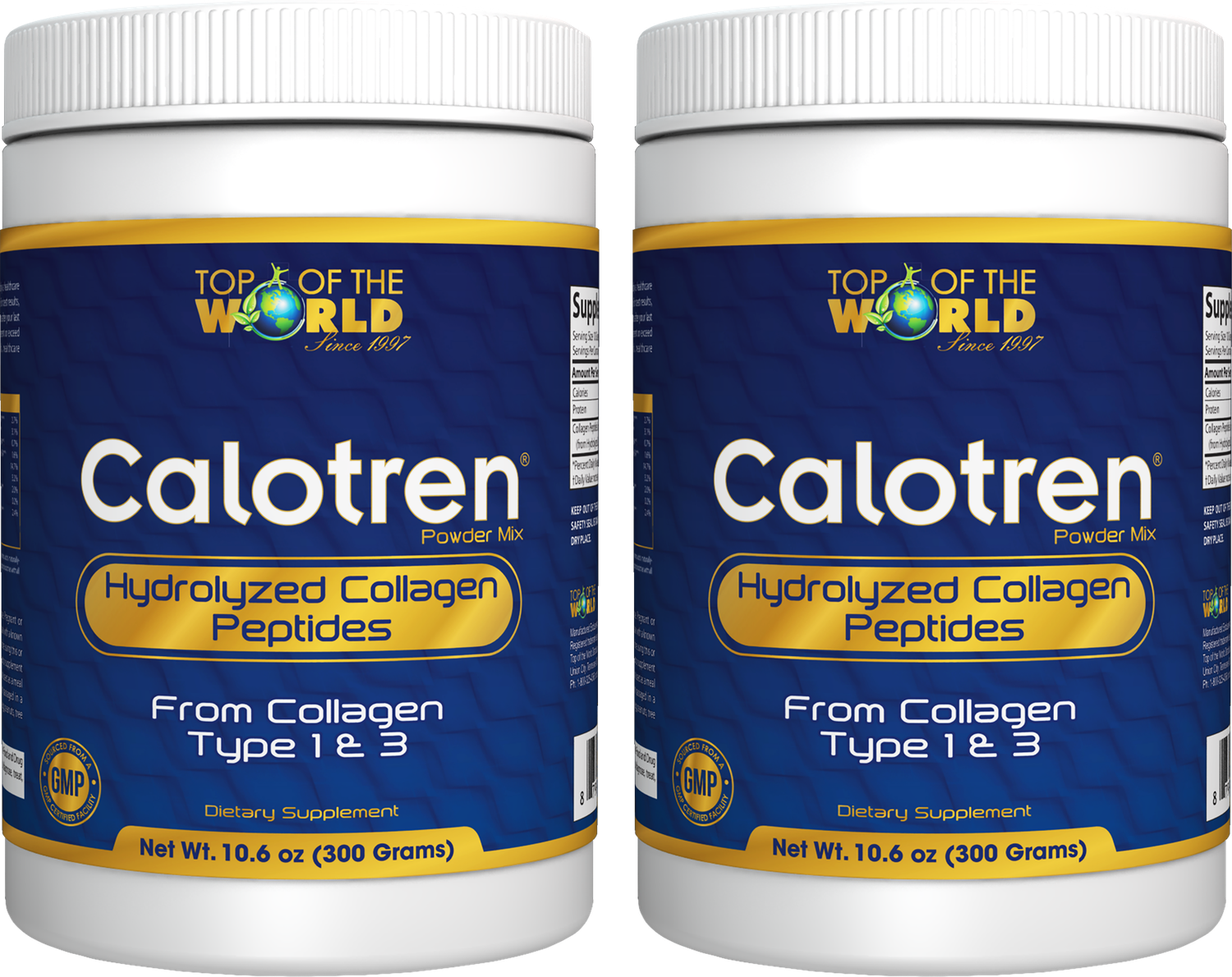
Calotren® are designed to fit into a consistent wellness routine. With a collagen protein foundation and digestive enzyme support, Calotren is intended to complement healthy habits rather than replace them.
When used alongside balanced nutrition, regular activity, and consistent routines, supportive tools may become one part of a broader wellness strategy.
Staying Motivated With Small Wins
Another advantage of focusing on small habits is the ability to recognize progress along the way.
Each positive habit reinforces the next, helping individuals stay motivated and encouraged. Over time, these small wins can contribute to meaningful long‑term progress.
The Bottom Line
Lasting weight loss success rarely comes from extreme measures. Instead, it often develops from
small, consistent habits practiced every day.
By focusing on manageable routines, gradual improvements, and supportive tools that fit into daily life, individuals can create a more sustainable path toward their wellness goals.
Small habits may seem simple, but over time they can lead to lasting change.
Learn More About
Calotren