Many weight‑loss supplements promise the same thing:
More energy. Faster results. Stronger appetite control.
Most of these effects come from
stimulant‑based ingredients designed to increase alertness and metabolic intensity during the day.
But as more people focus on
long‑term wellness instead of short‑term speed, an important question is emerging:
What happens to weight loss when sleep quality suffers?
The hidden role of sleep in weight management
Sleep is not just rest—it’s when the body supports:
• Hormonal balance
• Recovery from daily stress
• Regulation of hunger and fullness signals
• Preparation for the next day’s energy needs
When sleep becomes inconsistent or disrupted, these systems can drift out of balance, making
sustainable weight loss harder over time.
This is why modern wellness conversations increasingly connect:
Sleep quality → daily energy → consistency → long‑term weight outcomes
How stimulants can unintentionally work against sleep
Stimulant‑based weight‑loss products are typically designed for
daytime intensity, not nighttime recovery.
Depending on timing and sensitivity, stimulants may:
• Make it harder to wind down at night
• Reduce overall sleep quality
• Create energy highs followed by fatigue
• Encourage stop‑and‑start consistency
These effects don’t happen to everyone.
But for adults prioritizing
steady, long‑term progress, sleep disruption can quietly undermine results.
Why more energy isn’t always the real solution
Feeling tired often leads people to seek
stronger stimulation.
But in many cases, the deeper need isn’t more energy—it’s
better recovery.
When sleep improves, people often notice:
• More natural daytime energy
• Better consistency with movement
• Improved routine stability
• Greater long‑term sustainability
In this way,
recovery—not stimulation—becomes the real foundation of progress.
The difference a nighttime‑friendly approach makes
Stimulant‑free wellness strategies are usually designed around:
Supporting rest instead of alertness
Fitting into bedtime routines
Encouraging calm, repeatable habits
Prioritizing long‑term consistency
This reflects a broader shift—especially for adults
40+ and 45+—toward
sustainable health rather than rapid intensity.
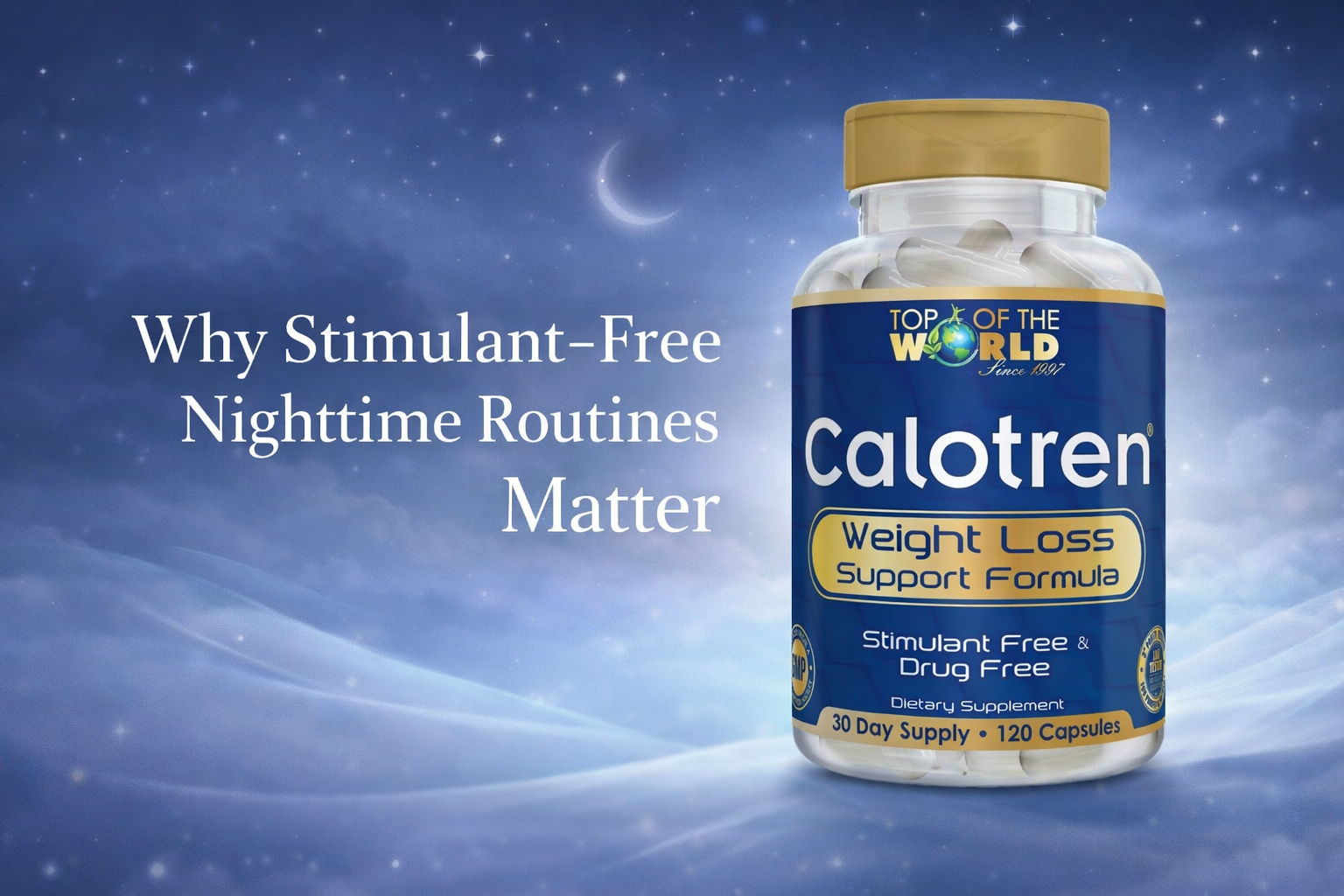
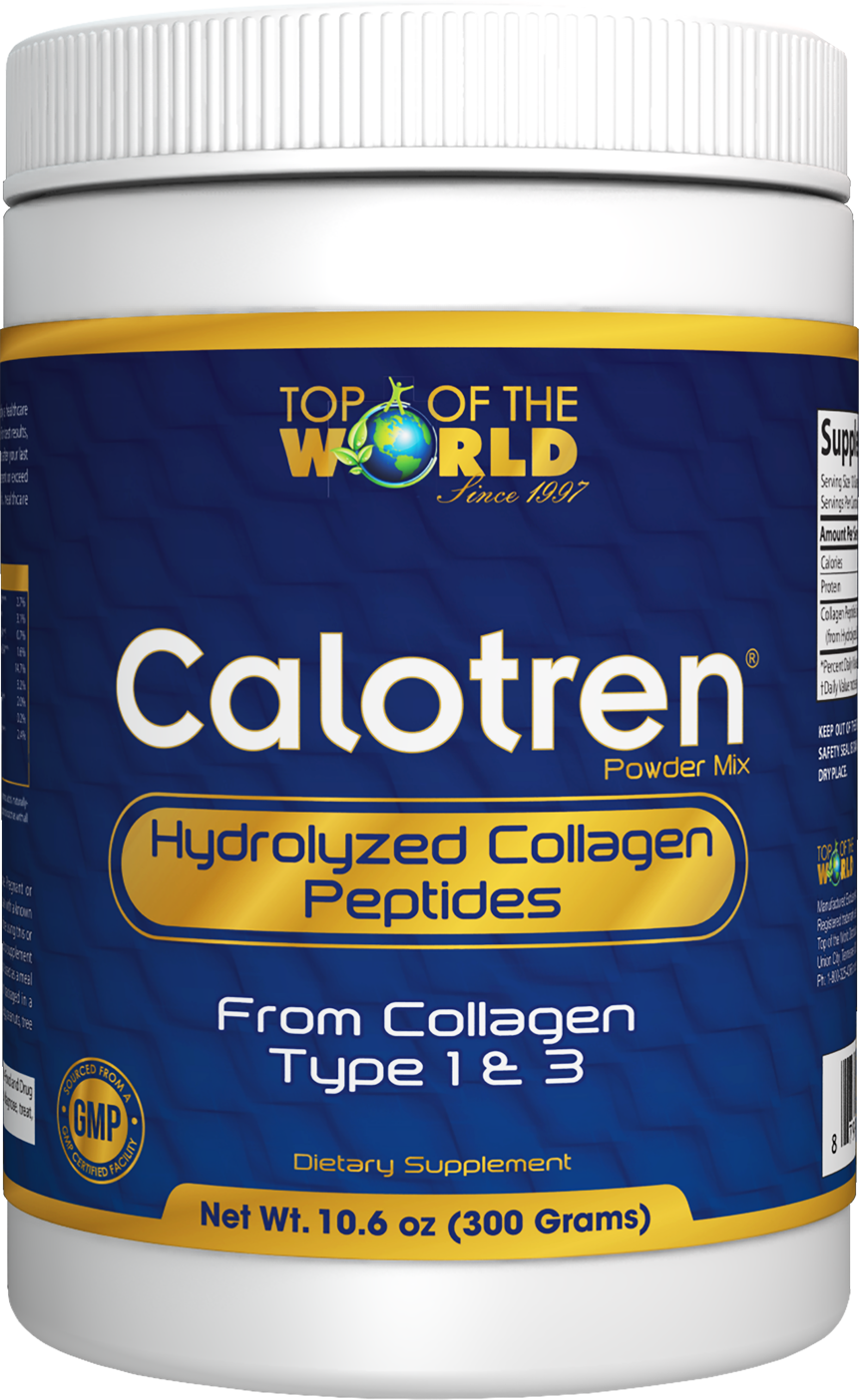
Where Calotren® fits in
Unlike stimulant‑based weight‑loss products,
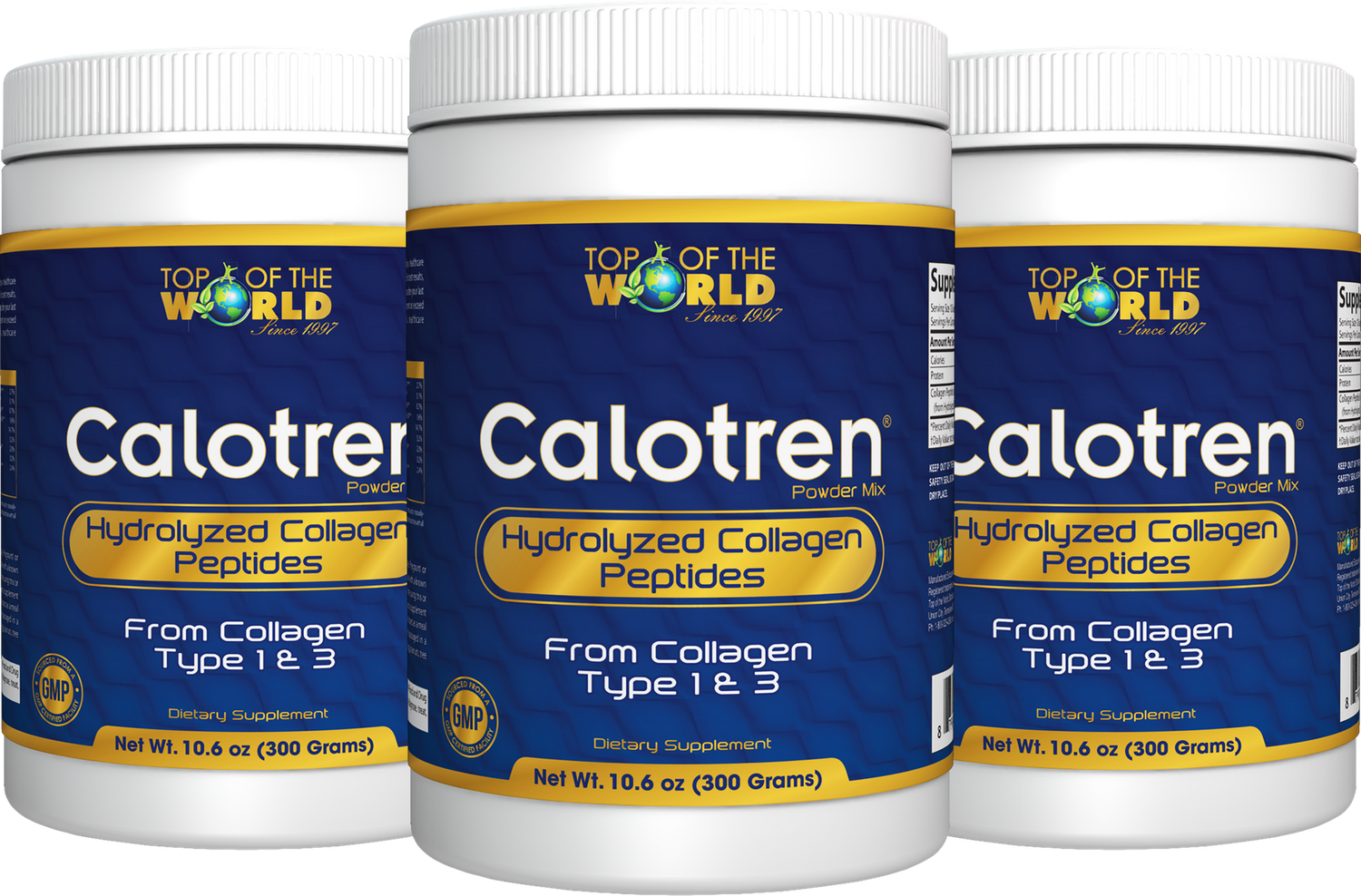
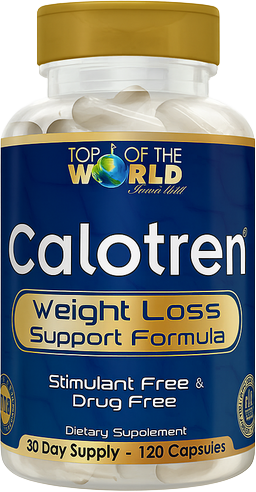
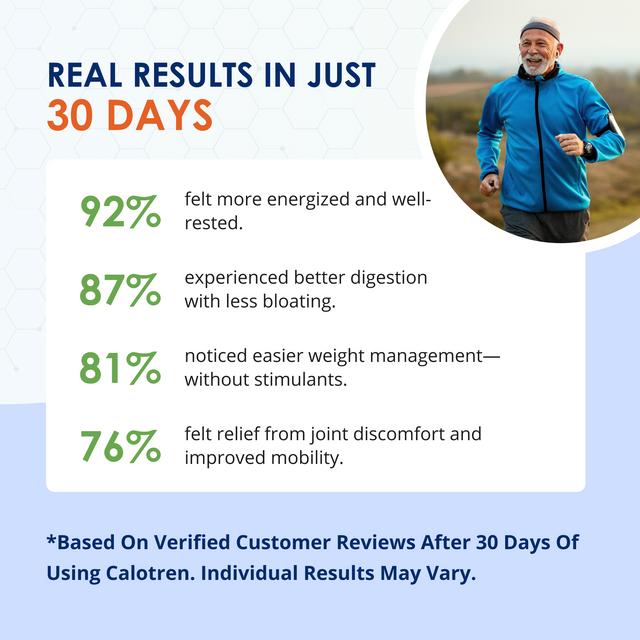
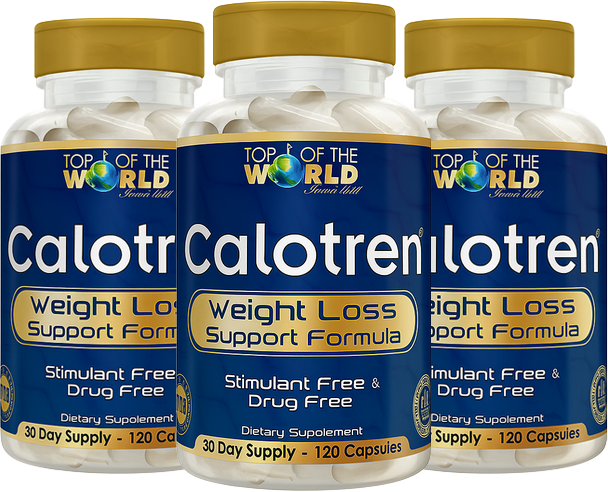
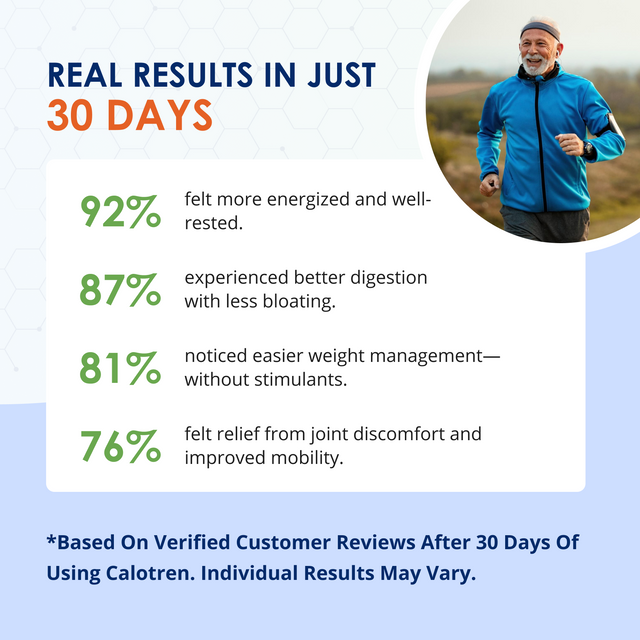
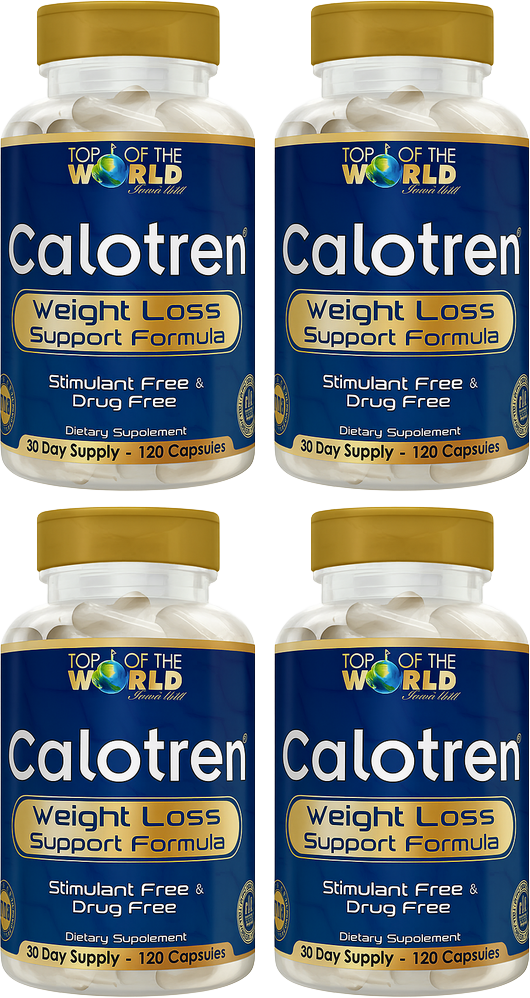
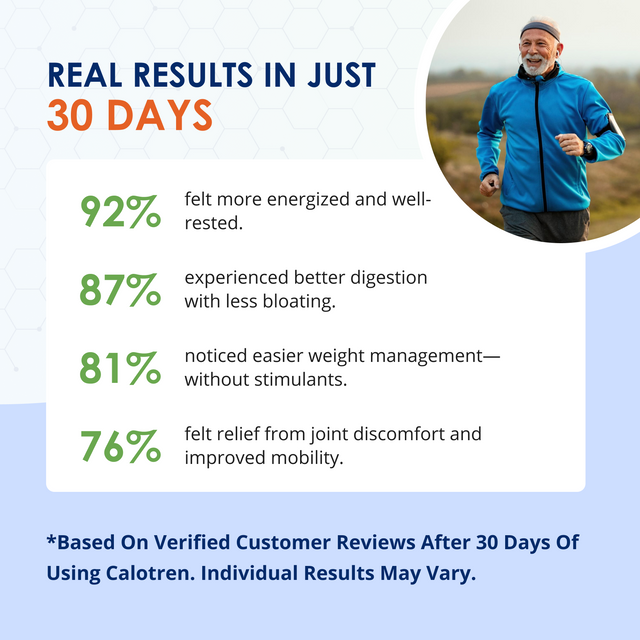
Calotren is stimulant‑free and non‑habit forming and is designed to be taken
at bedtime.
Because it doesn’t increase alertness or interfere with sleep, it aligns with an approach centered on:
• Nighttime recovery
• Sleep‑friendly routines
• Consistency over urgency
• Long‑term wellness habits
Rather than creating a noticeable surge of daytime energy, the focus is on fitting naturally into
repeatable overnight routines that support sustainable progress.
Choosing between stimulation and recovery
At a high level, the difference becomes clear:
• Stimulant approach
→ energy, intensity, short‑term momentum
• Sleep‑first approach → recovery, routine, long‑term consistency
Neither philosophy is universally right or wrong.
But for many people—especially those thinking beyond quick results—
protecting sleep becomes one of the most important decisions for lasting weight management.
Bottom line
Stimulant weight‑loss products focus on
increasing daytime energy, while stimulant‑free options like
Calotren prioritize
nighttime recovery, sleep quality, and sustainable consistency.
As more people shift toward
long‑term wellness instead of short‑term speed, sleep‑friendly approaches are becoming an increasingly important part of the weight‑loss conversation.
Learn More
•
Trust & Transparency
•
Ordering & Billing
•
Customer Support