The Secret to Successful Diabetic Weight Loss
The Challenge
According to the American Diabetes Association, 9.4% of the population has some form of diabetes - more than 30 million people in total. And as people get older, the risk gets higher. In fact, more than 25% of Americans over 65 have diabetes.
It’s one of the great health challenges of the 21st century and is the 7th leading cause of death in the United States. That’s a lot to take in, especially if you’re currently struggling with diabetes or helping someone who is struggling to manage it.
There are a lot of risk factors, lifestyle impacts, and changes that your doctor might recommend. But, one thing is consistent – weight loss is almost always beneficial. In fact, a change of as little as 10-15 pounds can help to lower blood glucose, blood sugar, and improve blood fats.

How beneficial can weight loss be? Here are just a handful of very real benefits the ADA lists for diabetic weight loss:
• Lower blood glucose (if it’s already high)
• Lower blood pressure (if it’s already high)
• Improve unhealthy blood fats
• More energy on a daily basis
• Reduce stress on your joints
• Easier to move and easier to breathe
In some cases, healthy weight loss can even lead to a reduction in the medications you take. Not only will you feel better; life will be easier.
Suffice it to say, losing weight is one of the smartest and most impactful things you can do if you are diabetic.
So why do so few people do it?
Simply put, it’s hard.
Not only does diabetes make exercise more difficult to start, diets are difficult and potentially dangerous. For diabetics in particular, the quick fixes and easy “get thin now” trends are incredibly dangerous, and most of the time don’t work. If they do, it’s almost never sustainable.
Even something as simple as changing what you eat, in a meaningful and sustainable way is hard.
For these reasons, we’ve gathered the best diabetic weight loss tips we’ve collected over the years to help you jump start your efforts. Nothing in this article is a quick fix, but even small changes can make an impact sooner than you might expect.
Setting Realistic Weight Loss Goals
We strongly encourage you to read this section before jumping ahead. Why? Because weight loss is most effective when you have clear and attainable goals in mind.
Weight loss for diabetics is even more difficult than for someone who doesn’t suffer from diabetes. So, your goals need to be as manageable as possible. You should aim to make small changes slowly over time. Things you can see and feel on a daily basis, and ideally that start to show results – even if they are tiny, incremental changes.
This is where most people jump ahead and think big, which is commendable but dangerous. Thinking you can lose 5-10 pounds in a single week is a sure way to set yourself up for failure.
You need to think about weight loss as a habit. It’s a lifestyle change that you’ll hopefully maintain.
Anything else will be temporary. Temporary is your enemy.
A habit takes time to develop. On average, scientists estimate it takes between 3 and 6 weeks to form a habit and another 3-6 weeks to set it in stone and make it a permanent part of your life. When we experience failure in those initial few weeks, it becomes that much more difficult to persevere and continue in the creation of a new habit.
Setting an unrealistically difficult goal that there’s a good chance you can’t meet early on is a sure way to sabotage your efforts. So, we need to start small. Simple. Achievable. Goals.
How to Set Smart Goals
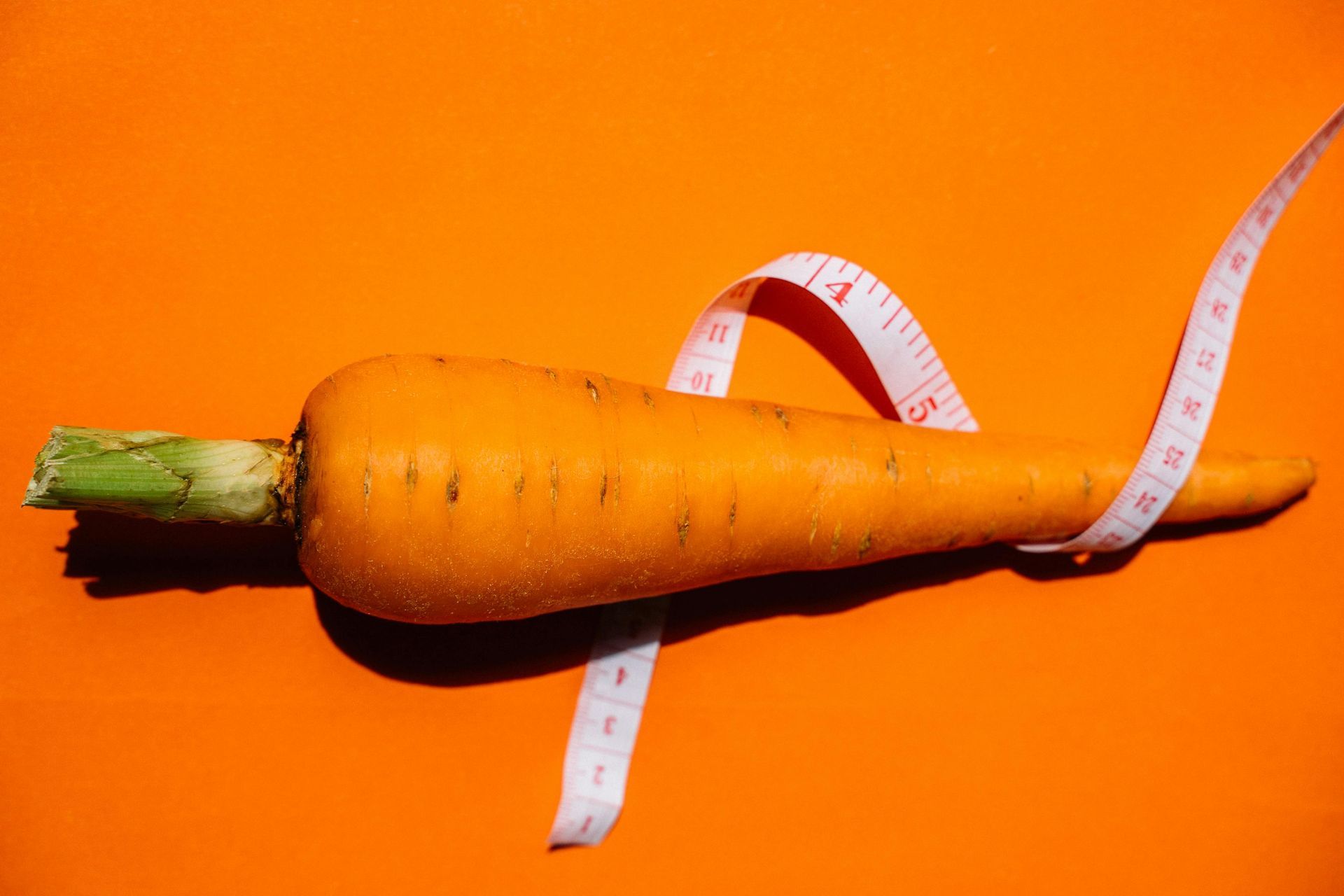
Let’s start by looking at your Body Mass Index. This number is a simple measurement of your relative health based on weight and height.
Is BMI a perfect measurement? Not necessarily.
There are dozens of other factors to take into account – muscle mass weighs more than fat for example, and belly fat is much more dangerous than in the rest of your body. But, targeting a BMI of below 30 is a good starting point for a long-term goal – something your doctor can help you to determine.
An average, healthy BMI is between 18.5 and 24.9. Up to 29.9 is considered overweight and anything 30 or higher is considered obese.
These matter for context because the Southern Medical Journal published a study of 14,000 people in 2015 that found higher BMI increased the risk of several diabetes complications. Heart disease, stroke, kidney failure, eye problems and much more.
Setting Small Goals
Before we dive in, let’s set a handful of small goals that can guide you in your diabetic weight loss efforts. Here are some examples for where to start:
• Lose 1 pound per week – Doctors recommend aiming for no more than 1-2 pounds per week. Start on the small end to increase the likelihood of success.
• Decrease food intake – We’ll get to some specific tips around this, but as a general rule, you should aim for 30% fewer calories than your body needs (including exercise) to trigger weight loss.
• Commit to a specific length of time – Don’t make open ended goals. Set a schedule for 6-12 weeks when you first start. This will help to establish those new weight loss habits and hopefully also see results.
IMPORTANT
One last note before you start any new weight loss or dietary changes. Talk to your doctor. Any changes to your diet or exercise routine should be run by a medical professional first. They’ll likely also recommend regular check-ups to make sure you’re on the right track and your weight loss is healthy weight loss.
Supplied by BMI Calculator USA
Food and Healthy Diabetic Weight Loss
Let’s talk food.
Calorie intake is not the be-all and end-all of diabetic weight loss, but it’s a good measure to take.
This is where a doctor or nutritionist can be a big help. Factors like age, gender, current weight, activity level and body type can all impact exactly how many calories you should eat to trigger weight loss.
The average tends to be 1,200-1,800/day for women and 1,400-2,000/day for men. Getting this right is important as the right calorie target can help to shift your body into a fat burning machine.
A Simple Plan to Avoid Complications
Dieting is dangerous.
Search for weight loss tips and 90% of them are a fad diet asking you to give up carbs, or protein, or carbs and protein, or all fats, or no fats. Fasting is another one - hugely popular in many weight loss circles, but is it a good fit for diabetics? The answers are often contradictory; it can make the decision that much harder.
You get the idea. They’re a mess.
Happy healthy young woman wearing glasses pouring vegetable smoothies freshly made from assorted vegetable ingredients on her kitchen counter
The problem with these diets is that your body needs all the things you eat. You need carbs, protein, and certain types of sugars. Cut one of them out and, yes, maybe it triggers a certain type of response in your body that burns more fat.
But it certainly won’t stay like that.
So, let’s avoid the “D” word.
Good diabetic weight loss is all about maintaining a healthy lifestyle and smart eating. Replacing low value meals with high value meals and rebalancing what you eat and when. Do this by:
• Shifting your snack patterns – Snacks aren’t necessarily bad, but the types of foods Americans turn to for snacks often are. Avoid anything in a package if you can. That means no chips, crackers, cheese, candy, or other junk food (even if it looks healthy). Instead switch to fruits and vegetables, nuts, hummus, and other whole foods that digest more slowly. There are so many amazing alternatives these days; even healthier alternatives to the snacks you already eat.
• Update the things you love – So many weight loss plans ask you to give up all the things you love, but with a little creativity, you shouldn’t have to. Instead, update them to something healthier. If you normally have eggs and bacon for breakfast, for example, switch to one egg and two egg whites with turkey bacon. It’s not exactly the same, but it’s also not drastically different. This can also help to reset those habits as you’re not making too drastic of changes to your lifestyle.
Three Simple, Healthy Recipes that Taste Great
1. Breakfast Shake
For a quick meal on the go that is also healthy, filling, and sure to keep your energy up, blend one cup of vanilla almond milk (unsweetened) with one half cup of berries. You can also swap the berries for bananas and throw in a few peanuts for a healthy take on the peanut butter and banana milkshake. Time saver: Measure everything out the night before.
Fast food option: McDonald's egg white delight. The oatmeal and yogurt look like healthy options, but are filled with hidden sugars so stick with the egg white delight.
2. Lunch Sandwich
Who doesn't love a good sandwich? Quick and easy to prepare the night before, start with whole wheat/whole grain bread and add a few slices of your favorite deli meat. Add one slice of cheddar cheese and be sure to keep the lettuce and tomatoes on the sandwich so you can get added nutrients. Spicy mustard adds lots of flavor without adding oils or sugar.
Fast food option: Arby's classic roast beef sandwich. Those deli looking sandwiches are hidden with extra calories and sugars.
3. Quick and Easy Dinner
One pot meal. If using an instant pot/pressure cooker, you can start with carrots and potatoes on the bottom along with covering the bottom with chicken broth. Put 2-4 pork chops on top and cook until meat is done (find times and weights here: https://instantpot.com/instantpot-cooking-time/ ). If using a slow cooker, 4 hours on high or 8 hours on low usually does the trick.
Fast food option: Chick-Fil-A Char-grilled chicken sandwich, small fruit cup, and unsweetened iced tea.
7 Simple Things You Can Do to Jump Start Weight Loss
Okay, so you have some goals laid out, you’re feeling good and it’s time to get started. What can you do starting right now to lose weight?
Below are 7 tips and tricks you can implement in your life to start realizing healthy, incremental weight loss.
Go for Walks Daily
You have to exercise. While what you eat is going to have the biggest impact, exercise helps to improve metabolism, burn excess calories and in general, make you feel better.
But exercise doesn’t necessarily mean training for a marathon. It just means moving your body and being active every day. Over 90% of the people in the National Weight Control Registry (NWCR) database exercised to reach their goals and most of them did it by walking.
Breakfast Best Practices
Breakfast is an absolute must. Your body needs nutrients when you wake up, whether you feel it or not. Skip it entirely, and your blood sugar will surge when you over-correct later in the day. A good breakfast for diabetics consists of a high fiber grain (like cereal), with no added sugars and a high-protein food like milk or yogurt.
If you’re struggling to find time for breakfast every day, look for ways to prepare in advance. Leave your bowl and and a box of cereal next to your coffee pot every night and wake up 5-10 minutes earlier. It doesn’t take much to set yourself up for success for the day.
Increase Fiber in Your Diet
Fiber has been shown to help manage blood sugar levels, increase weight loss totals, and even help to prevent future weight gain. So how much fiber should you eat? Current Dietary Guidelines state that women should eat 25 or more grams of fiber a day and men 31 or more grams. These numbers drop once you reach 50, but on average, the typical American only eats half this number.
The easiest two ways to increase fiber intake is to have a healthy breakfast every morning (see above), and to add beans to your existing meals.
Chickpeas and black beans are high in fiber and can go into your soups, salads, and casseroles without changing the recipe. Fiber supplements are also available if you struggle getting enough in your diet, but be sure to avoid the sugary gummies and possibly even check with your doctor first to choose an option that’s safe for you.
Smaller, More Frequent Meals
This is a big one.
One of the toughest parts about diabetic weight loss is the smaller portion sizes. When you shrink a meal to match the calorie requirements you’ve set for the day, it tends to leave you feeling a bit hungry. Worse, it can cause your blood sugar to yo-yo back and forth throughout the day, especially if you ever “catch up” with a big meal in the evening.
To fight this, aim for more small meals throughout the day. Avoid the big, heaping dinner plate or overindulgent lunch. A sensible breakfast and small mini-meals in the mid-morning and early afternoon can help to keep your blood sugar consistent and your portion sizes under control.
Get Support
Weight loss is hard.
It takes a long time and there will be weeks when you don’t see any progress (or you might even gain some weight back). This can be devastating. For a lot of people, even a single setback is enough to throw in the towel. After all, why do all this hard work if it’s not getting results?
This is where a support network can really help. Tell everyone what you’re doing and why you’re doing it and make sure you have support all around you. Friends and family, your doctor, and even a nutritionist can help to address nagging doubts or pressing concerns as you work your way towards your initial milestones.
Track Everything You Eat
Even if you think you’re doing everything right, it’s easy to get off track. Some foods are deceptively calorie-rich and can sneak their way into your carefully crafted diet plan if you’re not careful. A sugar filled cup of coffee, a glass of beer, a stray cookie – these all represent a huge influx of calories that you probably didn’t plan for.
This is where food logging can come in handy. There are dozens of apps that can help with this as well. Here are some top picks:
• MyFitnessPal - It’s free, has a massive database of available foods and connects with other apps to track your activity levels, making it a good place to start, especially on an iOS device.
• FatSecret - If you want a simple food diary, this is a great place to start. Also free with easy to use food tracking and weight tracking tools, plus bar-code scanning make this a quick and easy app for logging your meals.
• Fooducate - This is an interesting app in that it goes beyond calorie tracking and looks and the quality of those calories, combined with useful insights on your sleep and health conditions.
Set them up, log the foods that you consistently eat every day, and then add in the unique meals and snacks to see if you’re on track. Don’t kill yourself trying to get all the calories entered accurately – if it’s too hard, it’s much easier to fail. But, at the very least write it all down. This will be useful the next time you speak with your doctor or compare notes with someone who you’re working with.
See a Therapist
This next one is a little tricky.
It’s not always easy to admit when stress or other negative emotions play a role in your health. But, a fair number of people who are overweight struggle with stress eating.
A therapist can help to address the underlying issues that lead to your impulse to eat. They can help to build new coping mechanisms, suppress those unhealthy urges, and create new, healthy habits that replace them when you’re feeling down.
Eat Less Food with 7 Clever Tricks
"Eat less” is the easiest thing in the world to commit to, but actually doing it is another thing entirely. To trick your mind and body into consuming less food, here are a few things you can do right away:
• Eat the Veggies First – Big meal in front of you? Eat the low-calorie foods first to fill your stomach. Eat your salad before your entrée when at a restaurant (ideally with little or no dressing) and throw some extra broccoli or celery on your plate at lunch.
• Drink More Water – You’re not always hungry. Eight glasses of water a day, distributed evenly can help stave off unnecessary cravings. Having trouble ditching the soda? Try seltzer water, which can be purchased in several flavors.
• Start a New Hobby – Sometimes we eat because we’re bored. Sitting down to watch TV? You grab a bag of chips. So, find something else for your hands to do. Knitting. Painting. Drawing. Coloring. Whatever it is, get your hands busy and you’ll think of food less often.
• Replacing or Removing Dressings and Dips – Switch to a vinegar-based dressing, or better yet, none at all. It’s shocking how many calories are added by something as simple as dressing or dipping sauces for your food.
• Brush Your Teeth – Feeling a craving in the middle of the afternoon? Brush your teeth. Not only does it clear your palate, the taste of mint can make you less hungry.
• Go to Bed Earlier – We’re much more likely to eat excess snacks in the evening than in the morning. Go to bed a little earlier to avoid those late-night cravings.
What Not to Do When Losing Weight
Diabetic weight loss is not an overnight endeavor. It can take time and commitment. The good news is that you can start seeing results much sooner than you might expect if you start acting right now. There will be hiccups though. Here are four things you should NOT do to ensure success:
• Dive in without planning – Unfettered weight loss is dangerous. Overly strict diets, intense exercise plans, or excessive goals can put your body under great stress. Avoid overdoing it and please talk to a doctor before you start.
• Keep it simple – Weight loss is hard, but that doesn’t mean it’s complicated. You don’t need an intricate exercise plan or a hand-crafted diet from Southern California. You need consistency, healthy new habits, and a desire to succeed. Don’t overthink it and you’ll be surprised what you might accomplish.
• Don’t Quit! – You’re going to hit setbacks. You’ll have days where you eat too much or don’t bother to exercise. You’ll fall off the wagon if you get a cold or the weather is bad. You’ll have weeks where you gain weight even though you were careful the entire time. Don’t let these things stop you from achieving your goals! Power through the setbacks and you’ll be that much happier on the other side.
• No Mono-Food Diets – Sure, paleo and keto, and all the other restrictive diets can result in weight loss, but they’re not sustainable and often they’re not healthy, especially if you are diabetic. A whole food, high fiber diet with a good blend of protein and carbohydrates is the way to go
How to Lose Weight Naturally
You now have the tools needed to get started. These are the first steps to address your health in the most holistic and natural way possible.
Will it be easy?
Not necessarily, but it will be absolutely rewarding if you can keep the end goal in mind. A life of fewer complications from diabetes, better mobility, more energy, and possibly even less medication in some cases.
Take the Next Step
Learn more about the first steps for healthy and safe diabetic weight loss